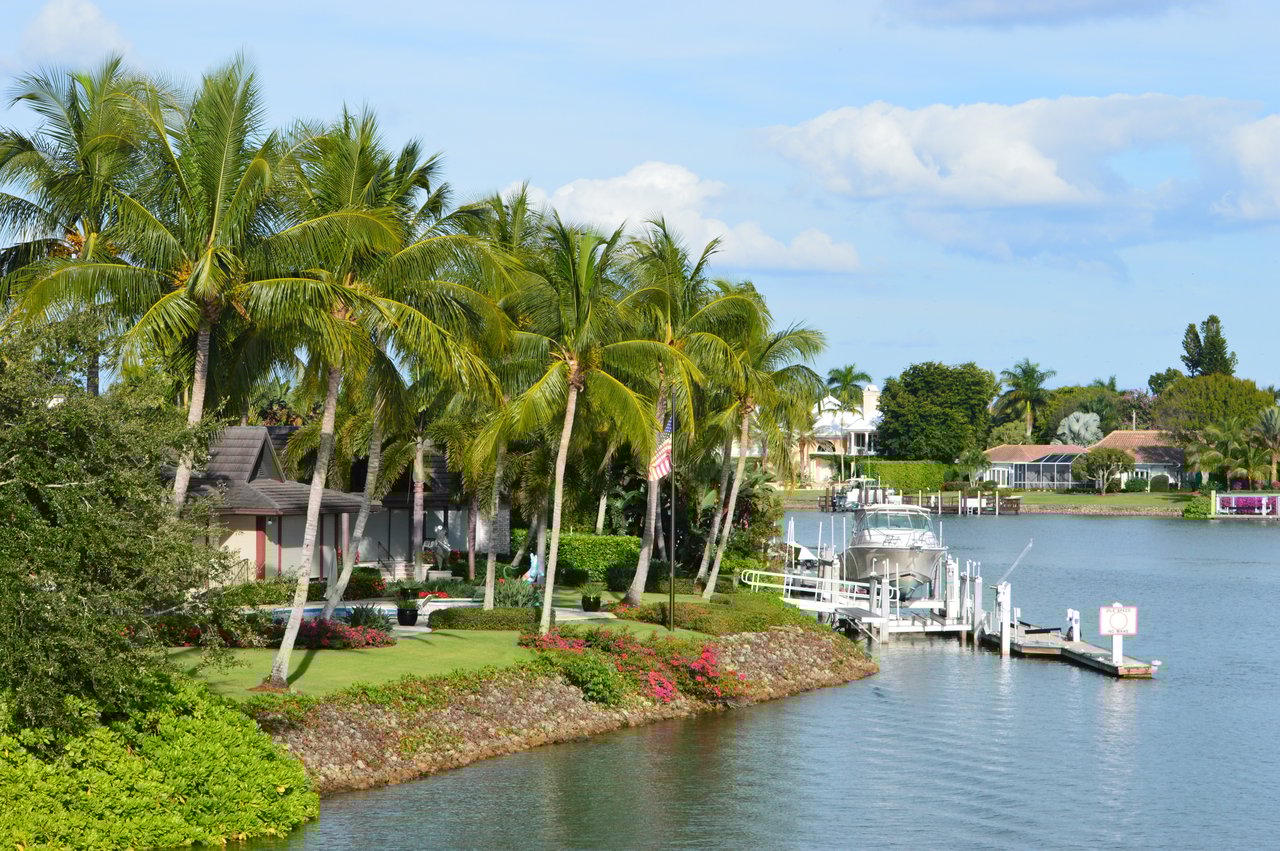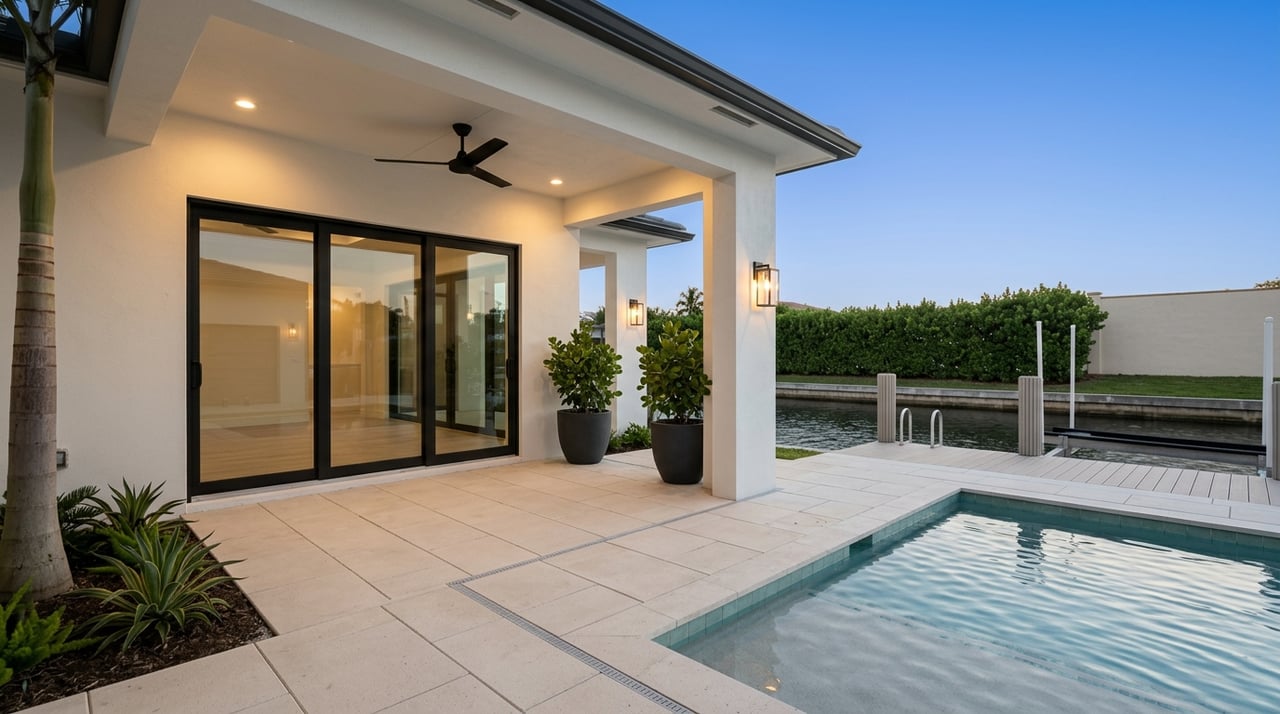
If you picture waterfront living as a long commute from the action, Royal Harbor may surprise you. This Naples neighborhood gives you a water-first lifestyle while keeping downtown, Naples Bay, and nearby beach access close at hand. If you are trying to decide whether Royal Harbor fits the way you want to live, this guide will help you understand what daily life here actually feels like. Let’s dive in.
Royal Harbor Feels Connected
One of the biggest draws of Royal Harbor is that it does not feel cut off from the rest of Naples. The City of Naples highlights a shared-use path over the 5th Avenue South and Gordon River Bridge that helps connect the neighborhood to downtown and the Greenway. That small detail says a lot about the area’s identity.
You get a setting that feels residential and waterfront-focused, but you are still closely tied to the city core. For many buyers, that balance is the appeal. You can enjoy a quieter home base and still stay close to dining, shopping, and daily errands.
The Water Here Is Bay and Canal Living
Royal Harbor is shaped by Naples Bay, an urban estuary that connects to the Gulf of Mexico through Gordon Pass. According to the city, Naples Bay ranges from about 100 to 1,500 feet wide and from 1 to 23 feet deep. That means the experience here is different from open-ocean or beachfront living.
In practical terms, Royal Harbor is a bay-and-canal neighborhood. The water is part of your everyday backdrop, but it is also part of how you move through life here. You are not just looking at the water. You are thinking about docks, boat lifts, canal access, and how easily you can get out into the bay.
Daily Life Revolves Around the Dock
Waterfront living in Royal Harbor often starts with simple routines. You might step outside in the morning to check the dock, look at the canal conditions, or plan a boat ride later in the day. City code treats piers, docks, and boat lifts as standard features in this neighborhood, which reflects how central boating is to the local lifestyle.
That creates a daily rhythm that feels different from inland neighborhoods. The focus is often on water access and short runs into Naples Bay, not on heavy street activity. Even if you do not boat every day, the presence of the water tends to shape how the home feels and how the property is used.
Downtown Naples Stays Within Reach
A big part of Royal Harbor’s appeal is how easily waterfront living can blend with city living. The Naples City Dock at Crayton Cove is near 8th Street South and 12th Avenue South, and the city notes that it is minutes from downtown Naples, including 5th Avenue South and 3rd Street shopping and dining. That supports the kind of routine many buyers want in Naples.
You can imagine heading out on the water, stopping near downtown, and being home again by evening. You can also make the trip by bike or car without feeling far from the center of town. For buyers who want both boating access and everyday convenience, that mix is hard to ignore.
Beach Time Can Be Part of the Routine
Royal Harbor is not beachfront, but beach access is still part of the lifestyle conversation. The City of Naples says Collier County property taxpayers and full-time residents can receive free annual parking permits for City of Naples and Collier County beaches. That makes it easier to add beach mornings or sunset walks into your week.
This matters because waterfront living means different things to different buyers. Some want direct boating access. Others want a home on the water and the flexibility to enjoy both the bay and the beach. Royal Harbor can support that wider version of the Naples waterfront experience.
Not All Waterfront Is the Same
If you are shopping in Royal Harbor, the first question is often not whether a home is waterfront. The more important question is what kind of waterfront it offers. That difference can shape your boating experience, your dock options, and the way the property functions day to day.
Interior Canal Homes
For interior canal parcels, city code says the pier’s shore-normal dimension cannot exceed the platted property line, shown as five feet offshore from the seawall line. The same code also notes that, in Royal Harbor interior canals, there is no restriction on vessel width or beam. That is why buyers often look closely at canal width, lot orientation, and dock layout.
An interior canal home may offer a very practical boating setup, but you will still want to match the property to the boat you own or plan to buy. A home can be beautiful on the water and still not be the right fit if the dock setup does not support your needs. In Royal Harbor, usability matters just as much as views.
Bay-Facing Homes
For homes facing Naples Bay, the setting can feel more open and more exposed. City code notes that pier and boat lift placement on bay-facing parcels may be shaped by wake action and navigation channels. In other words, the water conditions can influence what works best at the dock.
That does not make bay-front ownership better or worse. It simply makes it different. Some buyers love the openness and wider water views, while others prefer the more sheltered feel of a canal-front lot.
Ownership Comes With Ongoing Awareness
One of the most useful ways to think about Royal Harbor is as an active marine environment, not just a scenic backdrop. The East Naples Bay Special Taxing District was created in 1987 to improve water quality and navigability and to fund maintenance dredging. It includes Royal Harbor’s canal system, though it does not include parcels that face Naples Bay itself.
That distinction helps explain why canal-front and bay-front ownership can feel similar but not identical. It also shows that waterfront living here comes with a layer of infrastructure and maintenance that supports long-term use. You are buying into a lifestyle, but you are also buying into a working water system.
Dredging and Navigability Matter
The city’s dredging work in East Naples Bay covers Royal Harbor canal systems and includes protections for seawalls and boat slips during work. For homeowners, that reinforces an important point. These waterways are meant to be used, and keeping them navigable takes ongoing management.
For buyers, this is part of smart due diligence. It helps to understand not just the beauty of the lot, but also how the surrounding canal system is maintained over time. That practical side of ownership is a real part of the Royal Harbor experience.
Flood Zones Need Address-Specific Review
Flood risk is one of the most important topics to review before you buy any waterfront property in Naples. The City of Naples says its 2024 Flood Insurance Rate Maps are in effect for construction and insurance purposes, and that the updated maps reflect current flood risks throughout the community. The city also notes that Zones AH, AE, and VE are Special Flood Hazard Areas with mandatory flood insurance purchase requirements and floodplain standards.
The key takeaway is simple. Do not assume every Royal Harbor property is the same. You will want to verify the exact flood zone for the specific address you are considering.
Dock Planning Is Part of Buying Smart
If you are thinking about updating a dock, replacing a lift, or making future seawall-related improvements, planning matters. Naples city code regulates pier and boat-lift dimensions in Royal Harbor, which means these features are not just cosmetic upgrades. They are part of how the property functions and how ownership decisions get made.
That is why many buyers look beyond finishes and square footage. A polished kitchen matters, but so do dock usability, lift compatibility, and waterway conditions. In a neighborhood like Royal Harbor, the waterfront setup is part of the home’s value story.
What Waterfront Living Feels Like
At its best, Royal Harbor feels easy, coastal, and connected. The water is part of your routine, downtown Naples stays close, and the neighborhood supports a lifestyle built around boating, scenery, and flexibility. It offers a version of waterfront living that feels practical as well as beautiful.
It also feels more nuanced than many first-time buyers expect. Canal-front and bay-front homes can live very differently, and details like dock layout, navigability, and flood zone matter. When you understand those differences, you can choose a property that fits the way you actually want to live.
If you are exploring Royal Harbor as a buyer, or thinking about how to position your waterfront home for sale, working with a team that understands the neighborhood’s lifestyle and property details can make the process much smoother. For local guidance, tailored marketing, and concierge-level support, connect with Nina Loves Naples.
FAQs
What is waterfront living like in Royal Harbor, Naples?
- Royal Harbor offers a bay-and-canal lifestyle centered on Naples Bay, with many homes designed around docks, boat lifts, and quick access to the water while staying close to downtown Naples.
What is the difference between canal-front and bay-front homes in Royal Harbor?
- Canal-front and bay-front homes can differ in dock layout, water exposure, and how piers or lifts are placed, since bay-facing parcels may be more affected by wake action and navigation channels.
How close is Royal Harbor to downtown Naples?
- Royal Harbor is closely tied to the city core, and the City of Naples highlights connections to downtown and the Greenway, while the Naples City Dock area is also minutes from downtown shopping and dining.
Do Royal Harbor homes support docks and boat lifts?
- Royal Harbor is a boating-oriented neighborhood where piers, docks, and boat lifts are standard waterfront features, though exact dimensions and placement are regulated by city code and depend on the parcel.
Do flood zones vary by property in Royal Harbor?
- Yes. The City of Naples says updated 2024 Flood Insurance Rate Maps are in effect, so you should verify the exact flood zone for any specific Royal Harbor address rather than assume all waterfront lots are the same.
Does Royal Harbor fall within a canal maintenance district?
- Royal Harbor’s canal system is included in the East Naples Bay Special Taxing District, which was created to support water quality, navigability, and maintenance dredging, though bay-front parcels are treated differently from canal parcels.