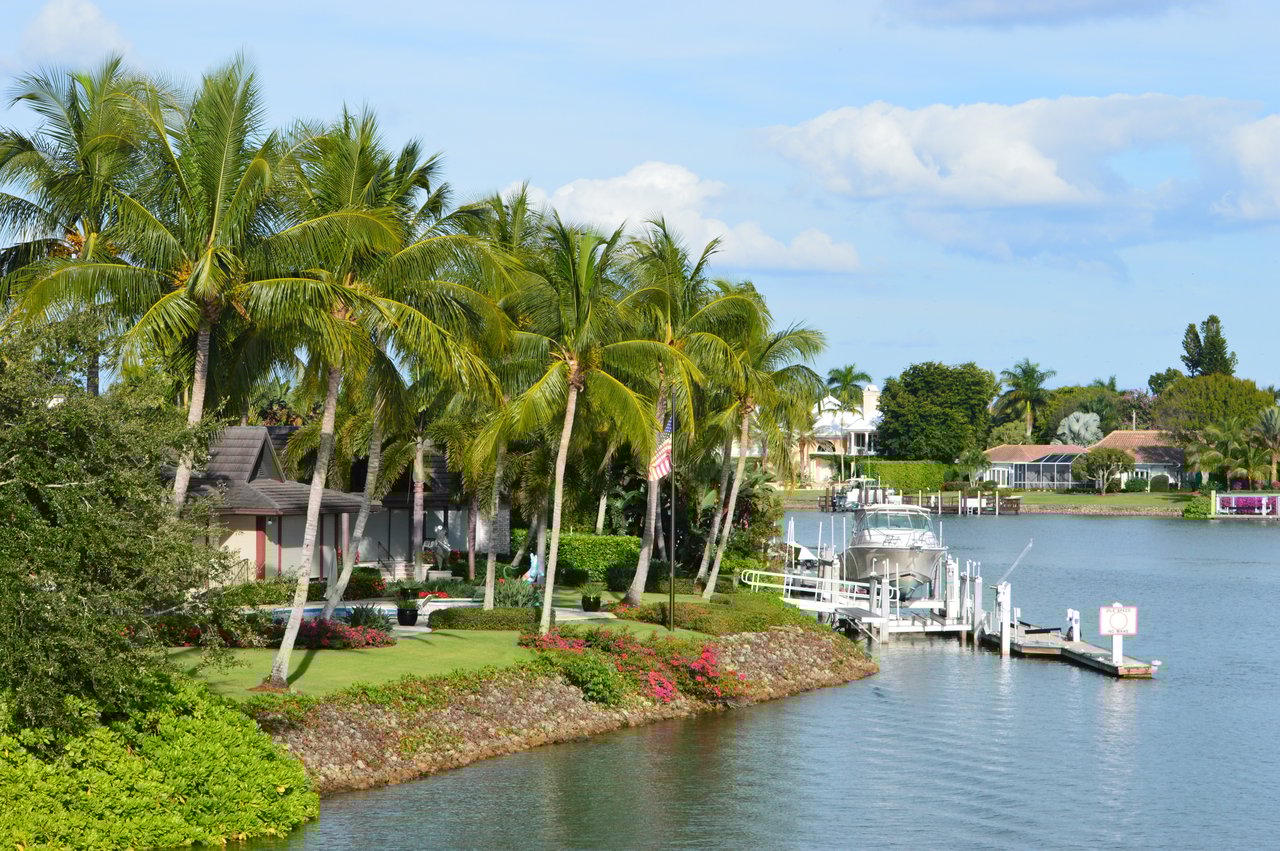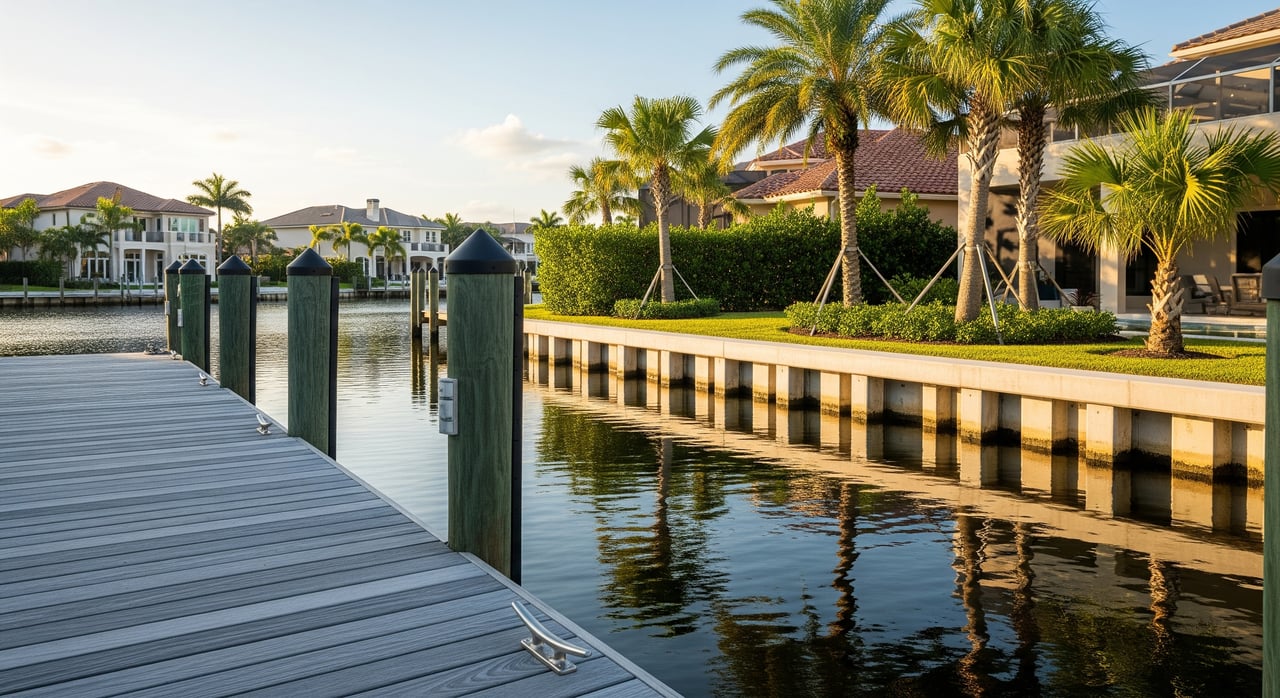
Picture yourself stepping from your back patio onto your own dock, watching the canal wake settle as you head out toward open water. In Royal Harbor, that lifestyle is a major part of what buyers seek. If you own or want to buy here, docks and seawalls can shape price, marketability, and time on market. In this guide, you’ll learn what truly adds value, what to inspect, and how to weigh repair or upgrade decisions so you can move forward with confidence. Let’s dive in.
Why docks and seawalls matter in Royal Harbor
Royal Harbor’s appeal is all about waterfront living. A private dock and an intact seawall can expand your buyer pool and boost interest because they support day-to-day boating and outdoor enjoyment. The key is usability, safety, and documented compliance.
Value is never one-size-fits-all. It depends on condition, water depth at mean low tide, access to navigable channels, and the status of permits. In active waterfront markets, buyers usually favor properties with functional marine features, while visible deterioration or uncertainty about permits can reduce offers or slow a sale.
What adds value for docks
Functional utility and boat access
A dock that safely moors a boat and offers adequate depth at mean low tide often earns more attention. Direct or easy access to larger channels and the Gulf is a plus for boaters. Buyers respond to the lifestyle, but they also assess how well the dock works day to day.
Condition and remaining service life
Condition is a major driver. Buyers discount aging or deteriorated docks because they anticipate repairs, permitting steps, and cost. A dock with recent inspections or documented maintenance signals ready-to-enjoy value and can help an appraiser give appropriate consideration.
Permits and legal status
Permits matter. A dock built or altered without proper county or state approvals can be treated as a liability. Documented permits, final inspections, and as-built drawings give buyers confidence and protect your sale timeline.
Features buyers notice
- Boat lifts and finger piers for practical mooring and storage.
- Composite decking for longevity and low maintenance.
- Safe, code-compliant electrical and lighting.
These features can elevate appeal when they are permitted and in good working order.
Seawalls: protection, condition, and value
A seawall helps stabilize your shoreline. It reduces erosion and minor wave action, which can protect outdoor areas and landscape investments. While a seawall does not guarantee protection from major storm surge or flooding, many Royal Harbor buyers expect to see a well-maintained bulkhead as part of a functional waterfront property.
Condition and service life are essential. Concrete or armored walls can often last 40 to 75 years when built and maintained properly. Vinyl or steel sheet pile systems can range roughly 25 to 60 years depending on material and conditions. Appraisers and buyers factor in remaining life and expected maintenance.
Common maintenance items include cap repairs, replacing marine fasteners, monitoring backfill settlement, and addressing undermining after storms. Proactive owners who keep records of maintenance and repairs are better positioned during negotiations.
Typical lifespans and maintenance at a glance
- Docks: Wood piles and decking typically last 15 to 30 years. Composite decking and treated piles can extend service life into the 25 to 50+ year range. Floating docks have separate cycles for floats, hardware, and anchors.
- Seawalls: Vinyl or steel sheet pile often ranges 25 to 60 years; concrete or armored construction can reach 40 to 75 years with proper care.
- Upkeep: Expect periodic pile repairs, deck replacement, lift service, and fastener replacement for docks. For seawalls, plan for inspections, cap or tie-back work, and remediation after significant weather events.
Costs, ROI, and timing your decisions
Replacement costs vary widely because they depend on linear footage, access, substrate, disposal, and permitting. In many cases, buyers value a safe, usable structure, but may discount a property if a dock or seawall appears near end of life.
If you are selling soon, minor repairs, safety improvements, and clear documentation can produce better returns than undertaking a full replacement right before listing. If the structure is clearly beyond repair, getting written quotes and permitting guidance helps you decide between completing the work or offering credits. For buyers, having current estimates in hand can inform your offer and budget.
Regulations and permits in Collier County
Royal Harbor sits within a sensitive coastal environment. You can expect involvement from county and state agencies, and sometimes federal authorities, depending on the scope of work.
- Collier County: Local building, engineering, and environmental divisions handle permits for marine construction and shoreline stabilization. County records can confirm existing permits and final inspections.
- Florida Department of Environmental Protection: State-level authorizations may apply to docks, dredging, and activities in state waters.
- Florida Fish and Wildlife Conservation Commission: Rules protect mangroves and seagrass. Trimming or removal typically requires a permit.
- U.S. Army Corps of Engineers: Federal permits can apply under Section 10 and Section 404 for work affecting navigable waters or wetlands.
Permit histories matter during a sale. Always confirm that permits were finaled and that the structure matches as-built drawings. Incomplete or unpermitted work can delay closings or require remediation.
Risk and insurance factors to consider
Waterfront homes in Royal Harbor can fall within coastal flood zones that influence mortgage and insurance requirements. Flood zone designations on FEMA maps affect premiums and lender expectations. Wind and hurricane coverage is a separate consideration that can be higher for coastal properties.
Seawalls help with localized erosion and minor wave effects, but they do not eliminate storm surge or inundation risk. Some insurers may request documentation of code compliance or recent inspections for docks, lifts, and seawalls.
Confirming insurance options and likely premiums before you finalize a deal can prevent surprises. Incorporate these costs into your long-term ownership plan or investment projections.
Due diligence checklist for buyers and sellers
- Gather all permits, final inspections, and as-built drawings for the dock and seawall.
- Order a licensed marine contractor or marine surveyor inspection for condition and safety.
- Verify Collier County permit records and confirm no open code violations.
- Check the property’s FEMA flood zone and, if available, review elevation certificates and recent flood claim history.
- Request maintenance logs and invoices for lifts, decking, piles, and seawall repairs.
- Confirm water depth at mean low tide and any dredging or maintenance requirements.
- Review insurance options and expected wind and flood premiums for the address.
- Ask your title professional about riparian rights, easements, and any shared seawall responsibilities.
Selling a Royal Harbor waterfront home
To present your waterfront features with confidence, focus on readiness and documentation. Have permits and maintenance records organized, address safety items, and consider modest improvements that enhance the day-to-day usability of docks and lifts. Buyers respond to clarity and turn-key presentation.
If your seawall or dock is aging, get written estimates from local marine contractors before you list. Transparent documentation helps you set price, evaluate pre-list repairs, and negotiate with serious buyers. In many cases, showcasing a well-kept dock and a sound seawall can shorten days on market by expanding the buyer pool.
Nina Loves Naples specializes in curated presentation that highlights lifestyle and function. Professional photography and clear property narratives can help buyers visualize mornings on the water and evenings on the lanai, while the details in your documents confirm real-world value.
Buying in Royal Harbor
As a buyer, think about how you plan to use the water. A lift that fits your vessel, navigation routes you prefer, and depth at mean low tide can shape your day-to-day experience. Ask for maintenance histories, electrical and lift service records, and evidence that permits were closed.
Be sure to evaluate risk and insurance early. Your lender and insurer will consider flood zone, elevation, and the condition of coastal features. A professional marine inspection can reveal issues that are hard to see during a showing and can guide your offer strategy.
How we help
With a hospitality-first approach and Coldwell Banker Global Luxury reach, our team helps you position, negotiate, and close with confidence.
- For sellers: We combine local expertise with a proprietary Staged and Styled to Sell program, premium media, and concierge transaction management to highlight your waterfront features and streamline the process.
- For buyers: We provide neighborhood-level guidance, vetted vendor connections, and a clear path from first showing to smooth closing.
Ready to talk through your dock or seawall questions and the best path to your goals in Royal Harbor? Connect with the team at Nina Loves Naples.
FAQs
Do docks always increase a home’s value in Royal Harbor?
- Not always; value depends on condition, permitted status, usability and access, and local buyer demand, while deteriorated or unpermitted docks can be a liability.
How do appraisers treat docks and seawalls in this area?
- Appraisers look to comparable sales and adjust for condition, functionality, and typical features; documented, well-maintained structures receive more favorable consideration.
What permits are typically required for dock or seawall work in Collier County?
- County permits are common, state approvals may apply, and federal permits can be required for work affecting navigable waters or wetlands; verify with local authorities.
Will a seawall protect my home from hurricane storm surge?
- A seawall can reduce localized erosion and minor wave effects but is not a guarantee against major storm surge or inland flooding.
What should I check before buying a home with a dock in Royal Harbor?
- Review permits and as-builts, obtain a marine inspection, confirm depth at mean low tide, check insurance requirements, and assess lift capacity and condition.
Is it better to repair or replace a worn dock before listing?
- It depends on condition and market expectations; minor safety and usability repairs plus solid documentation often deliver better returns than full replacement right before listing.