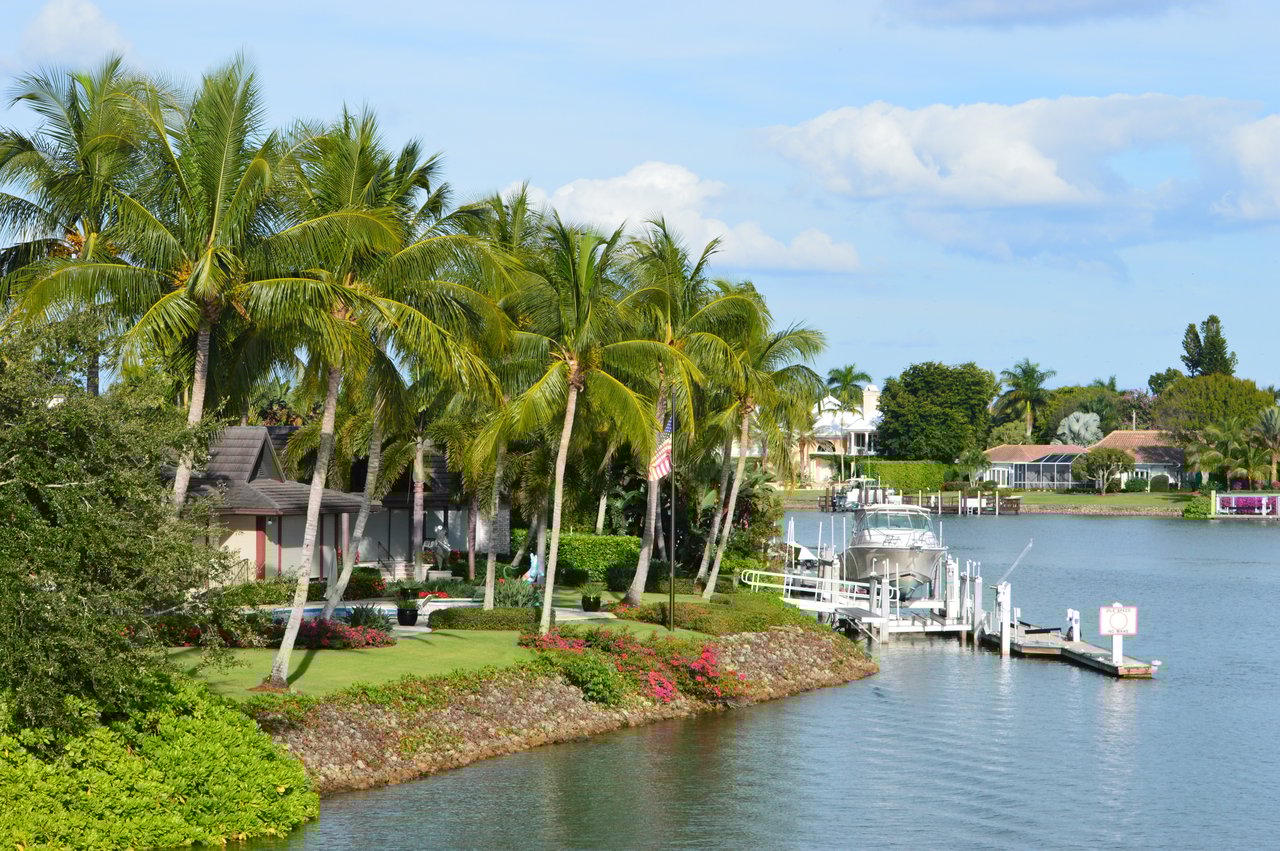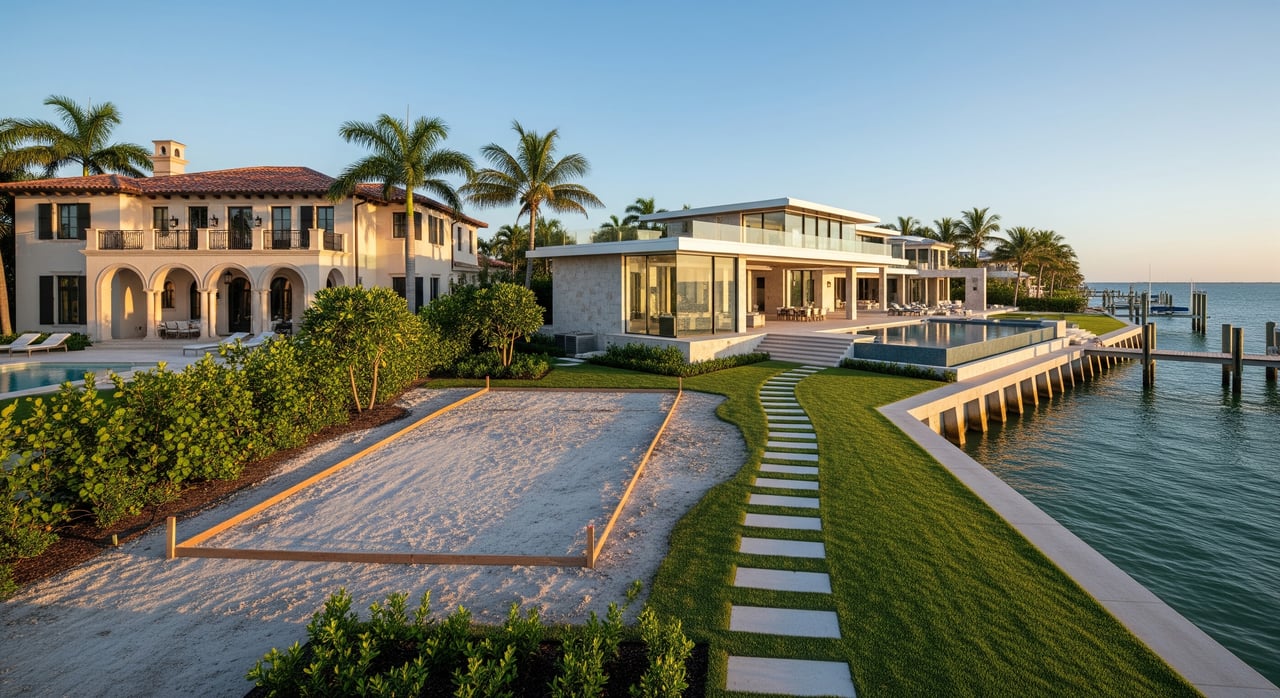
Should you hunt for a vacant lot, take on a remodel, or build new in Pine Ridge Estates when Park Shore is your target lifestyle? If you love coastal Naples living, it is a big choice with real money, time, and risk at stake. You want clarity on rules, timelines, and total costs before you commit. This guide breaks down each path with local considerations that matter in Park Shore and neighboring Pine Ridge Estates so you can move forward with confidence. Let’s dive in.
Pine Ridge Estates and Park Shore at a glance
Pine Ridge Estates and Park Shore are mature coastal Naples neighborhoods in Collier County. In areas like these, vacant lots are often limited and pricing depends on site quality, proximity to the beach, and buildability. You should verify current lot availability and recent sales with the local MLS before you assume a lot is an easier route.
Always confirm if a property sits inside the City of Naples or in unincorporated Collier County. Permitting offices, processes, and timelines differ. Many properties also fall under homeowners’ associations with architectural review steps that add time and design controls.
Option 1: Buy a lot and build new
What this path includes
- Land purchase and closing costs.
- Soft costs: architecture, engineering, surveys, permitting, and impact fees.
- Site prep: clearing, grading, tree work, and any soil remediation.
- Utilities: water, sewer or septic, electrical, gas, and stormwater connections.
- Foundation and elevation work suitable for coastal conditions, which can include piles or elevated slabs.
- Structure and finishes, plus hurricane resilience measures like impact windows and elevated mechanicals.
- A contingency budget of about 10 to 20 percent for the unexpected.
Timeline expectations
- Due diligence and closing: roughly 30 to 90 days.
- Design and permitting: about 3 to 6 months, sometimes longer for coastal approvals or HOA reviews.
- Site work and foundation: about 1 to 3 months.
- Construction: about 9 to 18 months for custom homes, depending on size and complexity.
Pros
- Full design control and a floor plan that fits how you live.
- Built to the current Florida Building Code with modern wind-load and flood resilience.
- New systems, new roof, and potential insurance advantages.
Cons
- Total spend is often the highest when you add land, soft costs, and construction.
- Lot scarcity can limit choices or push you to compromise on location.
- More complex financing and a longer time to move in.
Option 2: Buy an existing home and remodel
Cost intensity and scope
Remodel budgets hinge on scope. As general guidance for coastal Collier County neighborhoods:
- Cosmetic refresh: about $50 to $150 per square foot.
- Mid-range renovation with system updates and some layout changes: about $150 to $350 per square foot.
- Full gut or high-end renovation: about $300 to $600 or more per square foot.
The right scope depends on the home’s bones, your goals, and any code-triggered upgrades.
Timeline basics
- Purchase and closing: about 30 to 60 days.
- Design and permitting for larger remodels: about 1 to 4 months.
- Construction: several weeks for light projects to 9 months or more for a full gut.
Pros
- Faster path to occupancy if you keep the scope focused.
- Potential cost savings compared with buying a lot and building new.
- You get your preferred neighborhood and can keep elements you love.
Cons
- Hidden surprises like rot, dated wiring, or mold can change the plan.
- Structural changes and system upgrades may trigger code compliance costs.
- You might not achieve an ideal layout without major work.
Option 3: Buy a turnkey home
Buying move-in ready is the simplest path. You avoid the build or remodel process and the permit timeline. You trade some customization for speed and certainty, and you can update over time as needed.
Permits, flood, and coastal rules you must know
Before you make an offer, get clear on the regulatory picture. A few key checkpoints in Park Shore and Pine Ridge Estates:
- Jurisdiction: Confirm whether the home is in the City of Naples or unincorporated Collier County. Planning, zoning, and building services are separate.
- Flood and elevation: Review FEMA Flood Insurance Rate Maps to identify flood zones and Base Flood Elevation. Expect elevated finished-floor requirements and an Elevation Certificate for flood insurance.
- Wind and structural standards: Florida Building Code sets high wind-load and hurricane resilience requirements. New builds must comply fully. Major remodels can trigger upgrades.
- Coastal construction: Near the beach, the Florida Department of Environmental Protection may regulate work seaward of the Coastal Construction Control Line.
- Environmental factors: Look for coastal setbacks, wetlands, mangrove protections, and any tree preservation or conservation easements.
- Utilities: Confirm water and sewer capacity and any connection fees. Some older homes may still have septic systems that need replacement.
- HOA and architectural review: Many properties require design approval before permitting. Build in extra time for these steps.
Financing, appraisal, and insurance
Financing choices depend on your path:
- New builds: Construction-to-permanent loans are common. Lenders will underwrite the builder, review budgets and schedules, and base loan amounts on projected completed value.
- Renovations: Options include conventional loans, renovation mortgages, or construction loans depending on scope and lender rules.
Appraisals take completed value into account for both new builds and major remodels. Your team should provide a clear cost breakdown and a realistic schedule.
Insurance is a major factor in coastal Collier County. You will likely need homeowner’s coverage with wind or hurricane, and flood insurance if the property sits in a FEMA flood zone. Elevation, mitigation features like impact windows, and the home’s age all influence availability and premiums. New builds that meet current code can be easier to underwrite.
Resale value and ROI
Your return depends on neighborhood comparables and finish quality. In Park Shore and Pine Ridge Estates, buyers expect a certain level of design, amenities, and resilience. If you over-improve relative to nearby sales, it can be hard to recover costs. Focus on timeless finishes, smart space planning, and features that enhance coastal living and durability.
Due diligence checklist for Park Shore and Pine Ridge Estates
Use this quick list to reduce risk before you commit to a lot, remodel, or new build:
- Verify buildability, setbacks, easements, and any deed restrictions.
- Order a boundary survey and confirm legal descriptions.
- Pull the FEMA flood zone, BFE, and confirm required finished-floor elevations.
- Obtain soil borings to determine foundation type and any pile needs.
- Review tree protection requirements and removal permits.
- Confirm utilities and connection fees. If septic is present, scope replacement.
- Ask if coastal permits apply, including CCCL review and any federal wetland impacts.
- Check for historic or special district overlays.
- Gather HOA covenants, ARB procedures, and estimated timelines.
- Screen for any environmental or archaeological constraints.
How to choose your best path
A good decision blends design goals, budget, timing, and risk tolerance.
- Choose a lot and build new if you want full control, modern resilience, and a long-term hold, and you are comfortable with a longer timeline and complex financing.
- Choose a remodel if the home’s structure is solid, the location is perfect, and your wish list fits within a defined scope and budget.
- Choose turnkey if speed, certainty, and low project risk matter most, and you are willing to personalize over time.
Look for red flags like low elevations in flood zones, unclear HOA rules, or unknown soil conditions. These can add significant time and cost.
Project management tips that save time and stress
Getting the right team on day one pays off. Consider the following:
- Hire a local architect and engineer with Florida coastal experience.
- Vet builders with recent projects in Collier County and check warranties and references.
- Ask for written estimates, schedules, and a clear change order process.
- Map every approval touchpoint: HOA, city or county, and any state-level reviews.
- Plan around hurricane season and set site protection standards during construction.
What to do next
If Park Shore or Pine Ridge Estates is your next move, start with a clear plan. Identify target blocks, confirm jurisdiction, and model your budget with three scenarios: lot and build new, remodel, and turnkey. Then validate timelines with permitting offices and builder availability. A little homework now will save months later.
You do not have to navigate this alone. Our team connects you with vetted architects, builders, lenders, and insurance pros, and we manage the details so you can focus on the fun parts of Naples living. When you are ready to compare real homes, real lots, and real timelines, reach out to Nina Loves Naples.
FAQs
Are vacant lots common in Park Shore and Pine Ridge Estates?
- Many coastal Naples neighborhoods are mostly built out, so lots are limited. Always verify current inventory and pricing with the local MLS and your agent.
How long does a custom build usually take in Collier County?
- Expect about 3 to 6 months for design and permitting and 9 to 18 months for construction, plus due diligence and closing before that. Size and complexity drive timing.
Is remodeling cheaper than building new near the coast?
- For limited scopes, remodeling can cost less upfront than buying land and building. Full gut projects can approach new build costs, especially with code upgrades and surprises.
What permits and approvals will I need in Park Shore?
- You will work with either the City of Naples or Collier County, along with any HOA or architectural review board. Coastal and environmental approvals may also apply.
How do construction-to-permanent loans work for a new build?
- The lender funds draws during construction and converts to a standard mortgage at completion. Loan amounts are based on the projected completed value and builder vetting.