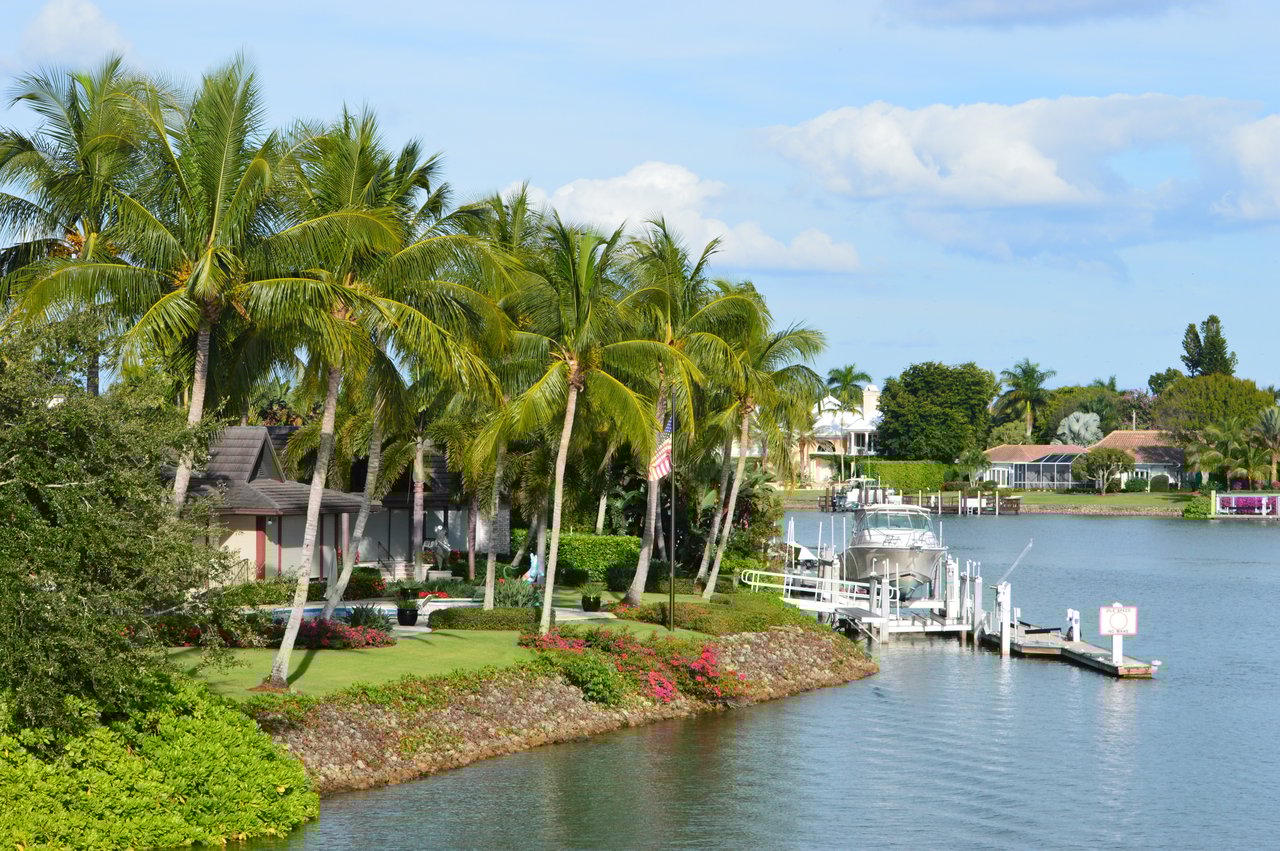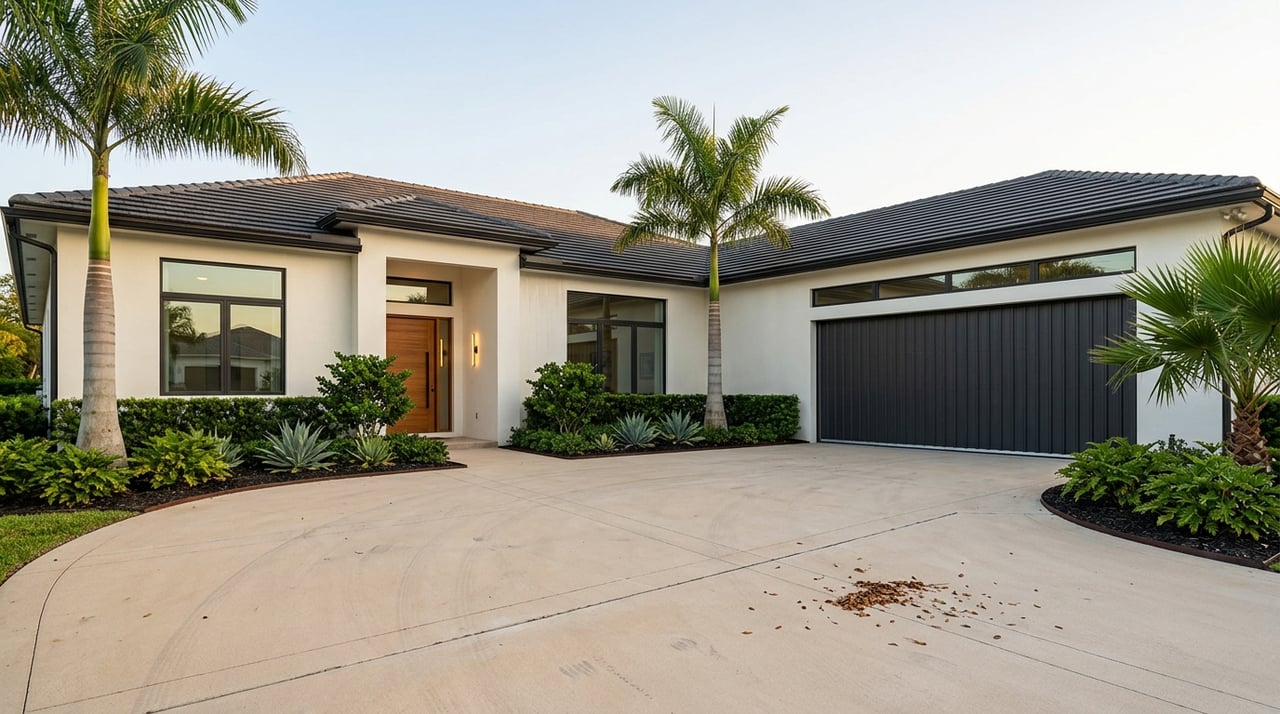
If you have ever imagined taxiing from your own home to the runway, Wing South Airpark turns that idea into a real Naples lifestyle. Buying here is not just about square footage or finishes. It is about finding a property that works for your aircraft, your routine, and your long-term plans. If you are exploring Wing South Airpark Naples FL real estate, this guide will help you understand what matters most before you buy. Let’s dive in.
What Makes Wing South Airpark Unique
Wing South Airpark is a private-use airpark in southeast Naples, identified by the FAA as FA37. It sits about 5 miles southeast of Naples and has a single 4,400-by-100-foot asphalt runway. The field has no control tower, and permission is required before landing.
For pilots, that private-use setup is a key part of the appeal. Wing South is not a public airport with constant outside traffic. It is an established aviation community where airplane movement is built into daily life.
The airpark is also mature, not a new concept still taking shape. Wing South, Inc. is an active Florida not-for-profit corporation that has been on file since 1972, which points to a long-standing community with an established structure.
What to Expect From Hangar Homes
One of the first things to know is that Wing South does not offer one standard home type. Recent listing examples show a mix of configurations, including hangar homes with large attached aircraft space, single-family homes, and even vacant land opportunities.
That variety can be a major advantage if you want options. You may find a move-in-ready property, a home with a climate-controlled hangar, or a lot that gives you room to build around your needs. The right fit depends on how you plan to live and fly.
Aircraft Fit Matters Most
In a traditional home search, you might focus first on the kitchen, pool, or number of bedrooms. In Wing South, the more important starting point is often your aircraft. Hangar dimensions, door height, door width, taxi access, and runway usability can matter more than interior finishes.
Recent examples in the community have included a climate-controlled hangar around 42 by 33 by 13.5 feet with a 40-by-12-foot hydraulic door. That sounds generous, but every airframe is different. Before you move forward, confirm your aircraft dimensions, turning needs, and operational requirements against the specific property.
Runway Access and Operations
The runway at Wing South is 4,400 feet long, and a local anniversary feature noted it can handle twin-engine propeller aircraft and small jets. Even so, buyers should avoid assumptions. Aircraft performance depends on more than runway length alone.
You will want to evaluate runway performance for your aircraft type, expected loads, and typical flight conditions. If you rely on very specific operating margins, this should be part of your early due diligence, not something left for the final days of a contract.
Night Flying and Instrument Planning
Wing South does offer radio-activated runway lights on 122.95, which can support nighttime operations. That is a meaningful benefit for owners who expect flexibility beyond daylight hours.
At the same time, current airport data shows no published instrument procedures at FA37. If you rely on IFR capability as part of your regular flying routine, you should plan carefully around that limitation. This is one of the most important practical questions to answer before buying.
Why Governing Documents Matter
In any association community, the governing documents are important. In an aviation community, they are even more important because they can directly affect how you use your property, your aircraft, and your hangar.
Florida law makes clear that recorded declarations, bylaws, and association rules are controlling documents. The law also requires associations to maintain official records that include items such as the declaration, bylaws, current rules, contracts, and insurance policies. Members and associations must comply with those documents, and unpaid assessments can become liens.
Documents to Review Before You Buy
Before you make an offer, review the community documents with care. In Wing South, the paperwork is not just background reading. It is part of the property’s value, operating cost, and daily usability.
Focus on items like:
- Recorded declaration and any amendments
- Bylaws and current rules
- Aircraft parking and taxiing rules
- Hangar use restrictions
- Guest aircraft policies
- Exterior change approvals
- Pet rules
- Maintenance responsibilities for common areas or runway-adjacent areas
- Assessments and ongoing dues
These details can affect everything from convenience to carrying costs. A property that looks perfect in photos may not be the right fit if the rules do not align with your aircraft or lifestyle.
Living With Aviation at Home
Wing South is designed for people who want aviation woven into daily life. That means airplane activity is part of the environment, not something treated as an occasional disruption.
A local feature on the community described residents as embracing aircraft noise as part of the lifestyle. It also noted the ability for pilots to activate runway lights by radio at night. If you are considering this neighborhood, it helps to be honest with yourself about whether that environment feels energizing and practical for you.
The Naples Aviation Context
The wider Naples aviation picture also matters. In January 2025, the Naples Airport Authority said jet operations had more than tripled since 2010 to nearly 53,000 in 2022, while noise-compatibility efforts continued. Local 2025 reporting also described higher-angle approach changes intended to reduce noise over neighborhoods near Naples Airport.
For Wing South owners, this broader context reinforces a simple point: aviation remains an active part of life in the Naples area. If you want a home that supports flying, Wing South stands out because that purpose is built into the community itself.
Smart Buying Priorities in Wing South
A beautiful home is important, but in a specialized airpark, function drives value. The best purchase is usually the one that solves the most practical problems from day one.
As you compare properties, keep your attention on the features that support real aviation use and long-term ownership. Those are often the details that shape both daily convenience and future resale appeal.
Features Worth Prioritizing
Recent listing examples and local reporting suggest buyers place real value on features like:
- Hangar dimensions that truly fit the aircraft
- Direct runway or taxi access
- Reliable night-lighting capability
- Climate-controlled hangar space
- Generator backup
- Fire suppression systems
- Storm-ready construction
- Utility systems that support regular aircraft use
Luxury finishes still matter, of course. But in a niche market like this, specialized function can be just as important as design quality.
Resale Value in a Specialized Market
Wing South properties can be highly appealing, but the buyer pool is more specialized than in a typical Naples neighborhood. That means resale is often tied closely to aircraft compatibility, condition, and operational usefulness.
Homes that remove friction for future buyers tend to be better positioned. If a property offers practical hangar dimensions, smooth access, dependable systems, and thoughtful maintenance, it may stand out more than a home that leans only on cosmetic upgrades.
Storm Readiness and Elevation
Another point worth checking carefully is the site itself. FAA-based data places Wing South at roughly 9 feet above sea level. In Southwest Florida, that makes drainage and storm-readiness important parts of the buying decision.
As you evaluate a property, pay attention to how the home and hangar are built and maintained. Ask questions about drainage performance, protective features, and how the property is set up to handle heavy weather.
How to Approach a Wing South Purchase
Buying in Wing South calls for a more tailored process than a standard home search. You are not only choosing a home in Naples. You are matching a property to a specific aviation lifestyle.
A smart process usually includes:
- Defining your aircraft requirements first
- Narrowing properties by hangar and taxi access
- Confirming runway compatibility for your use case
- Reviewing governing documents in detail
- Checking dues, maintenance duties, and restrictions
- Evaluating storm-readiness, drainage, and systems
- Comparing resale appeal through a pilot-buyer lens
This kind of focused approach can save time and help you avoid expensive surprises. It also helps you buy with more confidence in a niche market where details matter.
For buyers exploring aviation property in Naples, local guidance matters. A boutique team that understands lifestyle-driven real estate can help you look beyond listing photos and zero in on the operational details that shape value. If you are considering a hangar home or build opportunity in Wing South, Nina Loves Naples can help you navigate the search with personalized buyer representation and concierge-level support.
FAQs
What is Wing South Airpark in Naples, Florida?
- Wing South Airpark is a private-use airpark in southeast Naples identified as FA37, with a 4,400-by-100-foot asphalt runway and permission required before landing.
Can you land at Wing South Airpark at night?
- Yes, runway lights are radio-activated on 122.95, which supports nighttime operations.
Does Wing South Airpark have instrument procedures?
- No, current airport data shows there are no published instrument procedures at FA37.
What types of homes are available in Wing South Airpark?
- Recent listings show a mix of hangar homes, single-family homes, condos, and vacant land, so buyers may find both move-in-ready options and build-ready opportunities.
What should buyers review before buying a Wing South hangar home?
- Buyers should review the declaration, bylaws, rules, amendments, dues, maintenance obligations, and policies covering aircraft parking, taxiing, hangar use, guest aircraft, exterior changes, and related property use.
Is Wing South Airpark an established community?
- Yes, Wing South, Inc. has been active since 1972, which indicates a long-established community with an existing rule structure.