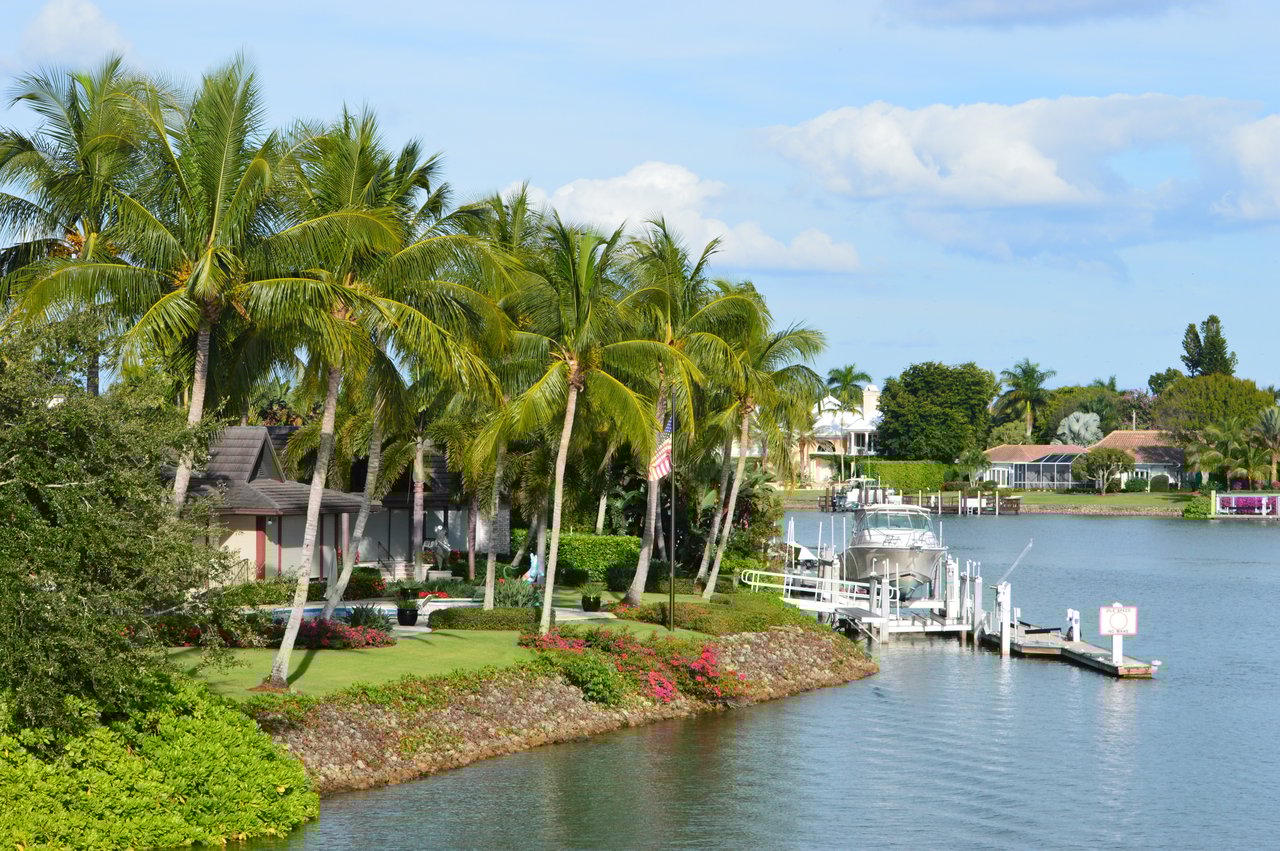
Craving more space, privacy, and room for your hobbies without giving up Naples convenience? If an acreage lifestyle with the option for a barn, workshop, or guest cottage is on your wishlist, Oakes Estates deserves a close look. You want a clear picture of what you can build, how the upkeep compares to a traditional subdivision, and the steps to vet the right property. This guide breaks it all down so you can buy with confidence. Let’s dive in.
Where Oakes Estates fits in Naples
Oakes Estates sits in North Naples along Oakes Boulevard, east of I‑75 between Vanderbilt Beach Road and Immokalee Road. You are typically 10 to 20 minutes from downtown Naples and a short drive to the beaches, depending on traffic and your exact lot location.
The area is generally non‑gated with no master HOA. Individual homes may have private gates, and some parcels can have recorded restrictions, so you should always confirm the deed and any covenants.
What estate-style living looks like
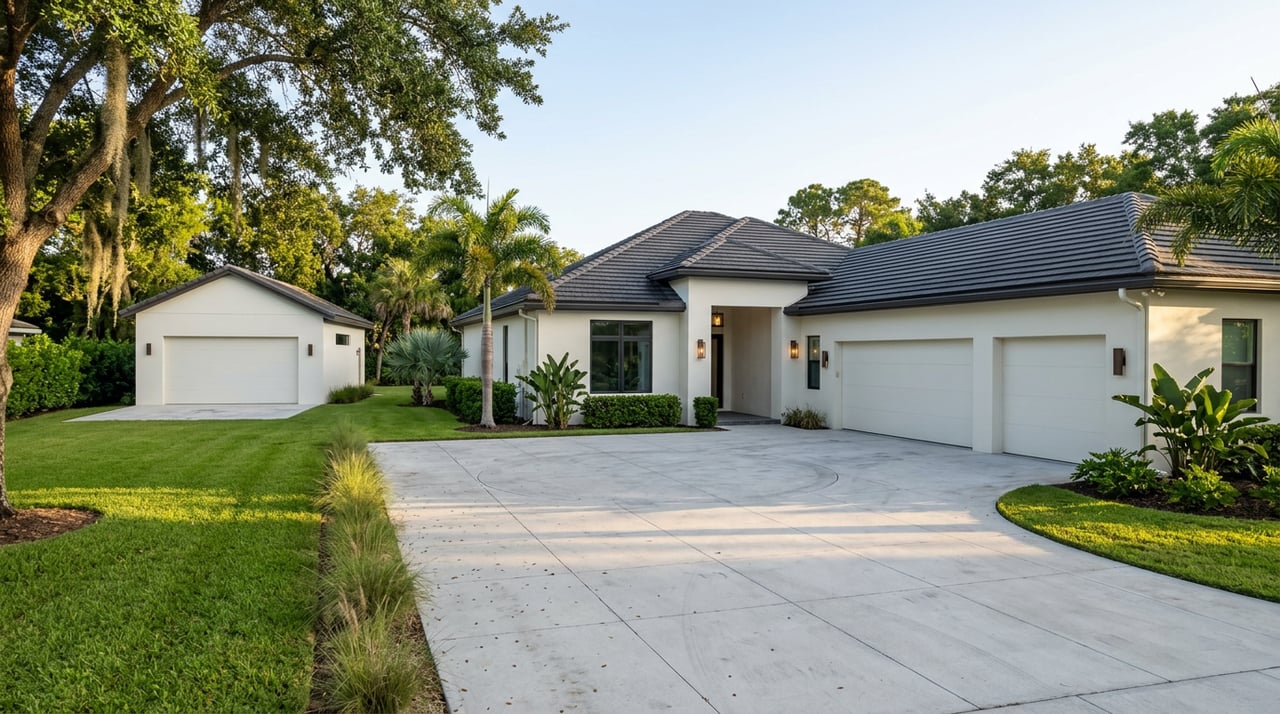
Most properties are single‑family homes on large lots, often about 1 to 5 acres. Many active and recent listings show parcels around 1.5 to 3 acres, which supports the community’s estate character. Housing is varied. You will see earlier custom homes from the 1980s, updated estates, and newer construction with features like private pools, detached garages, workshops, and guest spaces.
If you want elbow room, a long drive court, and wide lawns, Oakes Estates aligns with that vision. The tradeoff is more hands‑on upkeep compared to a tight‑lot community.
Equestrian and hobby potential
Many properties in Oakes Estates are marketed as horse‑friendly because of lot sizes and the prevalence of detached accessory buildings. The exact number of animals, stable requirements, and setbacks depend on Collier County zoning and animal regulations for your specific parcel. Start by confirming your lot’s zoning and permitted uses in the county’s Planning and Zoning Maps and Zoning Atlas, then review definitions and standards in the Land Development Code.
One standout lifestyle perk is nearby public trail access. The Florida Forest Service’s Picayune Strand State Forest offers the Belle Meade equestrian program, including the 22‑mile Belle Meade Horse Trail with paddocks and group camps, a great resource for trail riding beyond your property. Explore details in the state’s program guide for Picayune Strand State Forest.
If you plan to keep horses
- Verify your lot’s zoning and any animal limits before you buy. Use the county Zoning Atlas and confirm requirements with the planning office.
- Budget for fencing, shelter, paddocks, manure management, and routine care. Barns and arenas typically require county permits.
- Consider your daily routine. Some owners keep horses at home full‑time, while others board nearby and use home acreage for privacy and hobbies.
Guest houses, workshops, and add‑ons
Oakes Estates is attractive if you want flexible space. Collier County allows guest houses on larger single‑family lots (often one acre or more). The county commonly treats a guest house as additional living area for impact‑fee purposes and has historically limited guest houses to personal use, not rental. If a guest cottage is in your plan, confirm definitions, size limits, and fees directly with Collier County. Start with the Impact Fees guidance and the Land Development Code to understand how guest houses are classified.
Other popular add‑ons include detached garages, RV or boat storage, workshops, and barns. Each structure has setback and permitting requirements. Plan time and budget for permits and inspections.
Utilities, flood, and permits
Many estate parcels in this area use private wells and septic systems. Some lots may have or be near access to county utilities, but availability varies by location and future plans. For any property, verify:
- Existing water and sewer connections or the presence and condition of well and septic
- Septic permit history and well yield tests
- Any open permits or code items that need closing
Flood and hurricane considerations are part of due diligence in Collier County. If a property sits within a FEMA Special Flood Hazard Area, lenders for federally backed mortgages will require flood insurance, and new construction must meet elevation standards. Review the county’s Floodplain Management guidance and use FEMA’s tools to look up a parcel’s designation. FEMA provides a helpful overview of how to use the Map Service Center in this FEMA guide.
Flood and hurricane checks
- Confirm whether the property is in a Special Flood Hazard Area and request an elevation certificate if it is.
- Discuss insurance, wind mitigation, and any building requirements with your insurer and contractor before closing.
Costs and maintenance to expect
Estate lots reward you with privacy and room to spread out. They also require more upkeep than a small‑lot subdivision. Plan for:
- Lawn and landscape care across a larger footprint
- Tree trimming, fence repair, and driveway maintenance
- Pool service and equipment upkeep if applicable
- Septic tank service and well equipment maintenance
- Barn and paddock care if you keep horses
You can handle many tasks yourself, but most owners budget for professional services. If you prefer less hands‑on time, off‑site horse boarding and scheduled landscape services can lighten the load.
How to shop and vet a property in Oakes Estates
Here is a practical checklist you can use with your agent and inspectors:
- Zoning and permitted uses. Confirm the parcel’s zoning and what is allowed using the county’s Planning and Zoning Maps and Zoning Atlas and the Land Development Code.
- Deed, plat, and covenants. Request recorded documents and check for any private restrictions. A non‑HOA area can still have covenants.
- Flood zone and elevation. If the address falls in a Special Flood Hazard Area, factor flood insurance and building standards into your numbers. Start with the county’s Floodplain Management page and this FEMA guide on using the Map Service Center.
- Utilities and systems. Verify whether the lot has county water and sewer or private well and septic. If private, require inspections, maintenance records, and well yield testing.
- Guest house or ADU plans. Collier historically prohibits renting guest houses and treats them as additional living area for impact fees. Confirm current practice with the Impact Fees guidance and the Land Development Code.
- Equestrian uses. If you plan to keep horses, ask the county about animal limits and any permits for barns or arenas. Use the Planning and Zoning Maps to confirm your parcel’s zoning.
- Permit history. Request county permit records and ensure any recent work was properly closed out before you close.
- Taxes and exemptions. Review assessed value, tax history, and potential exemptions using the Collier County Property Appraiser portal.
- Schools and services. Confirm public school assignments with the Collier County Public Schools attendance boundary tool.
Is Oakes Estates the right fit?
Choose Oakes Estates if you want privacy, flexible space, and room for hobbies, and you are comfortable managing or outsourcing the added upkeep that acreage requires. It is a strong match for buyers who value:
- A larger lot, often 1 to 5 acres, for privacy and outdoor living
- The option to build a guest house for personal use, a workshop, or a barn
- Proximity to North Naples amenities while living in a non‑HOA area
- Access to public trail riding nearby at Picayune Strand
If you prefer low‑maintenance living with bundled services and shared amenities, a traditional HOA subdivision might be a better fit. The right choice comes down to your daily routine and how you want to spend your time at home.
Work with a local guide
Buying in an estate neighborhood has extra moving parts, from zoning and flood to wells, septic, and accessory buildings. You deserve a clear plan and a steady advocate. Our team provides full‑service buyer representation and concierge transaction management, so you can focus on the lifestyle while we handle the details. Ready to explore Oakes Estates and nearby options? Reach out to Nina Loves Naples to start a tailored search.
FAQs
What is Oakes Estates in Naples?
- Oakes Estates is a North Naples area of mostly single‑family homes on large lots, generally with no master HOA and a variety of custom estate properties.
Are there HOAs or gates in Oakes Estates?
- The area is generally non‑gated with no master HOA, though individual homes may have private gates and some parcels can have recorded restrictions.
Can I keep horses on an Oakes Estates property?
- Many owners do, but rules depend on parcel zoning and animal regulations, so confirm your lot’s allowances with the county using the Zoning Atlas and Land Development Code.
Can I build a guest house and rent it out in Oakes Estates?
- Collier County allows guest houses on larger lots for personal use and historically prohibits renting them; confirm size limits and fees with the county Impact Fees office and LDC.
Do I need flood insurance for Oakes Estates homes?
- It depends on the address; properties in a FEMA Special Flood Hazard Area typically require flood insurance, so check the county Floodplain page and FEMA tools.
What utilities serve Oakes Estates homes?
- Many parcels use private well and septic, while some may be near county utilities; verify existing connections and system condition during due diligence.
How do I check public schools for an Oakes Estates address?
- Use the Collier County Public Schools attendance boundary tool to confirm school assignments for your specific property address.