Dreaming of a canal-front home that lets you slip into Naples Bay and be on 5th Avenue in minutes? If Royal Harbor is on your radar, you are not alone. Many investors and second-home buyers love its direct boating lifestyle and downtown proximity, yet real returns depend on details like canal type, seawall condition, flood maps, and rental rules. In this guide, you will get a clear framework to judge value, manage risk, and decide if Royal Harbor fits your goals. Let’s dive in.
Why Royal Harbor is on investors’ shortlists
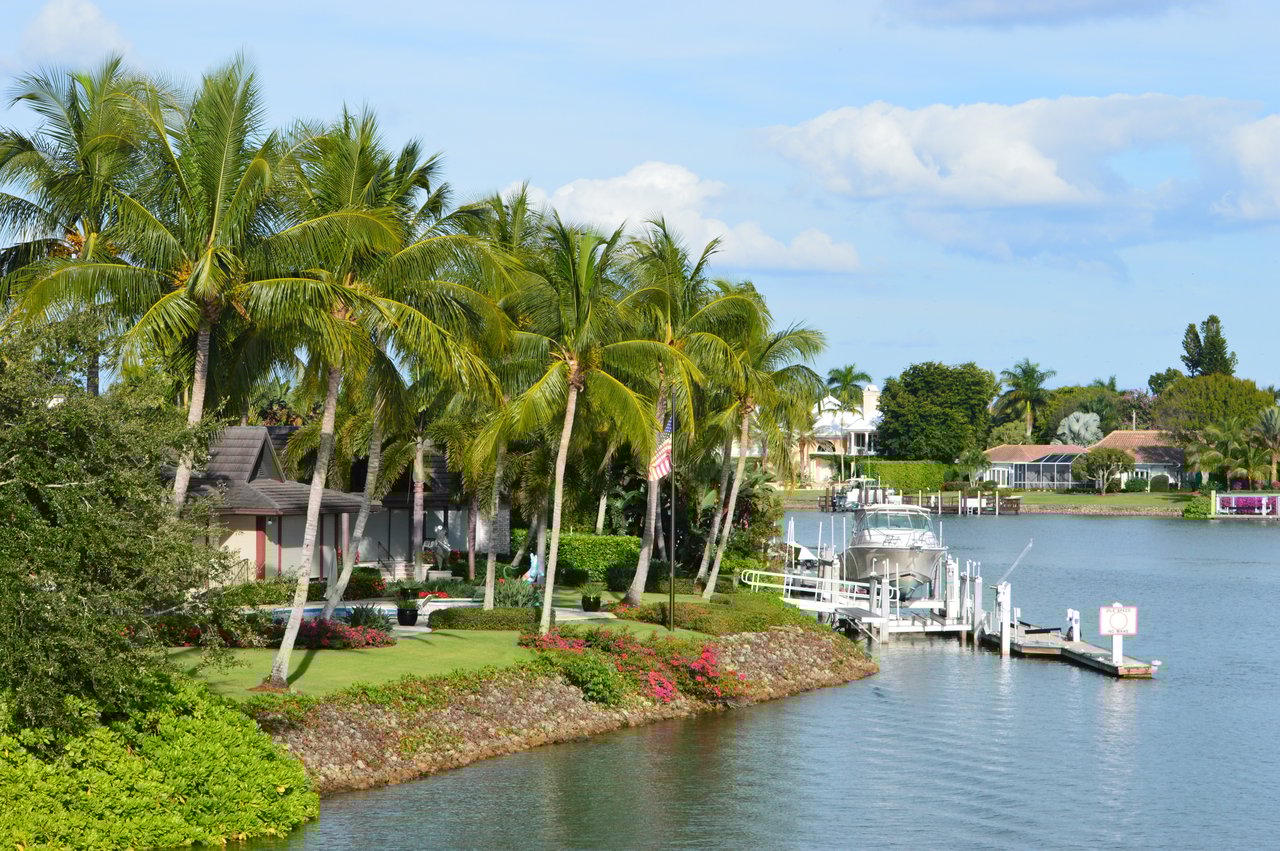
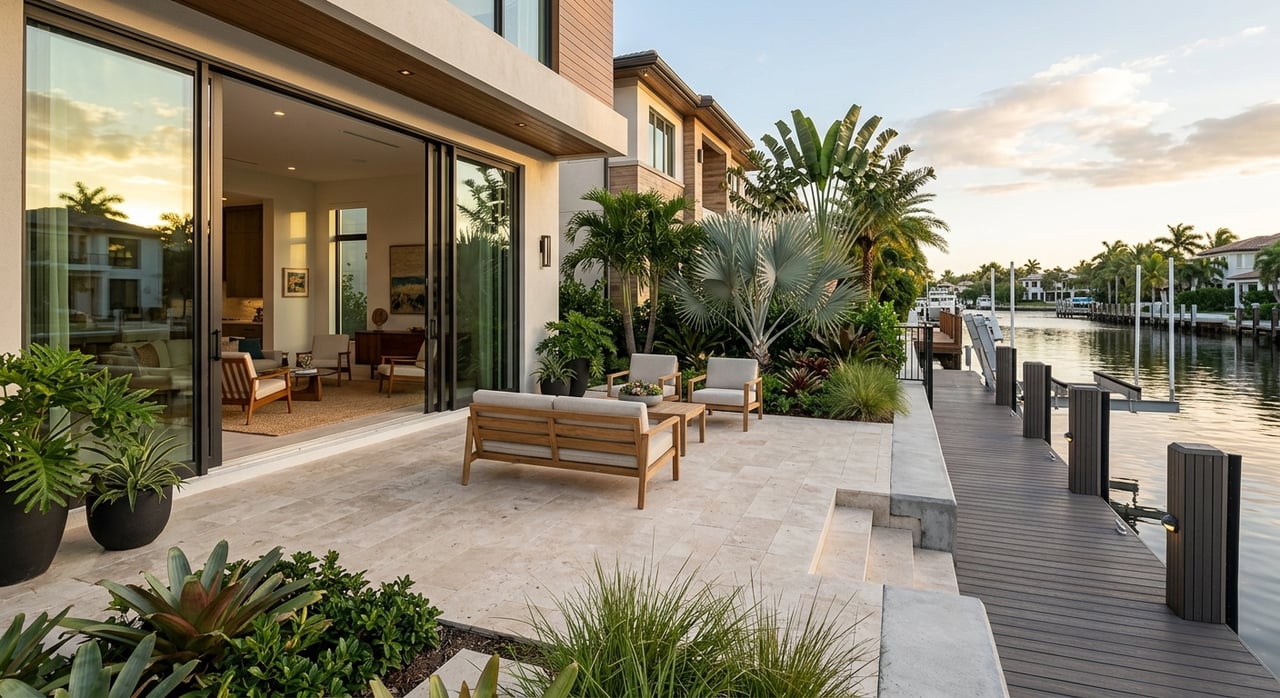
Royal Harbor sits on the east side of Naples Bay with a network of deep-water canals, private docks, and roughly 400 single-family homes. You get true bay-to-Gulf access plus quick trips to Old Naples dining and the beach. For many buyers, that blend of boating and location is the core of the investment case.
The neighborhood also spans a wide age range of homes. You will see original midcentury ranches, updated properties, and recent luxury rebuilds. That mix is one reason investors often focus more on the lot than the existing structure. Frontage, canal width, turning room, and sun orientation tend to drive long-term value.
Boating access and vessel fit
To reach the Gulf from Royal Harbor, you transit Naples Bay and exit through Gordon Pass. Federal boating guides note variable shoaling and single-digit controlling depths at chart datum in this area. If your vessel carries significant draft, you should verify current soundings and plan around tides before you buy. You can review official guidance in the NOAA Coast Pilot for the region, which discusses Gordon Pass and Naples Bay conditions in detail. See the relevant Coast Pilot chapter on Gulf inlets and channels for context in the federal publication at NOAA’s Coast Pilot.
What does that mean for you? Many Royal Harbor docks are ideal for center consoles, runabouts, and small to mid-size sportfishing boats. Very large yachts often need deeper-water alternatives or marina slips. Before you go under contract, confirm low-tide depths along your intended route and at the dock.
Land vs. structure: what drives value
Because rebuilds are common, Royal Harbor often trades as a land-and-location play. When you evaluate a property, zoom in on:
- Canal type and width: Main canals and wide turning basins typically command premiums compared with narrow finger canals or inner cul-de-sacs.
- Water frontage and maneuverability: Longer frontage with favorable opposite-dock setbacks helps with boat handling.
- Orientation and views: Sunset exposure and open-water sightlines can enhance appeal.
- Distance to the marked channel: Shorter idle time to Naples Bay can matter to boaters and guests.
If the structure is dated, weigh the cost to renovate for modern safety and efficiency against a tear-down and rebuild. Items like impact-rated windows, a new roof to current code, and elevated finished floors improve resilience and marketability.
Seawalls and docks: budget the big-ticket items
For waterfront lots, the seawall is a primary capital risk. Seawalls have finite lifespans and are not covered by standard flood insurance. Local ranges often come in around $300 to $1,200 or more per linear foot to replace, depending on method, materials, access, and permitting. On a typical 100-foot lot, that can translate to tens of thousands of dollars. A helpful way to plan is to convert the expected replacement cost into an annual reserve. For example, at $700 per foot with a 30-year life on 100 feet of frontage, you would reserve about $2,300 per year.
Your due diligence should include:
- A marine or structural engineer inspection of the seawall with a written estimate for repairs or replacement.
- Permit and plan history for any prior seawall or dock work through the county’s e-permitting system at Collier County E-Permitting.
- Verification of dock status: Confirm the dock or lift is properly permitted and whether any slip or mooring rights are deeded or otherwise transferable.
Getting these answers early can help you price your offer, negotiate with confidence, and avoid unpleasant surprises.
Flood, insurance, and mitigation
Collier County adopted updated digital flood maps in 2024. Flood zone and Base Flood Elevation affect lender requirements and flood insurance pricing, so check your specific parcel on the county’s floodplain management portal. If available, obtain an elevation certificate. Start with the county’s resources at Collier County Floodplain Management.
Florida’s coastal insurance market has been volatile. Premiums, underwriting rules, and deductibles have shifted in recent years. You should obtain multiple homeowners and flood quotes before you remove contingencies and budget conservatively for coastal premiums. For broader market context on recent statewide changes, review industry analysis like Gallagher Re’s report on Florida market reforms at Gallagher Re.
You may be able to lower premiums if the property has or you add:
- A roof built to current code and in good condition
- Impact-rated windows and doors, reinforced garage doors, and improved roof-to-wall connections
- Higher finished-floor elevations relative to Base Flood Elevation
Document your wind-mitigation features and reroofing details. Insurers often apply credits based on proof.
Rentals and taxes: what to know
Short-term rental rules vary by jurisdiction. Collier County requires registration for short-term vacation rentals in unincorporated areas under Ordinance No. 2021-45. Properties inside the City of Naples are treated separately under that ordinance. Since Royal Harbor parcels may fall under different jurisdictions, confirm where your property sits before you set up rentals. The county’s guidance outlines registration, responsible party, and tax account requirements. Review the county overview at Collier County STR Registration Guidance.
Naples is highly seasonal, with peak demand typically from December through April. Rates and occupancy vary by property size, condition, proximity to downtown and the beach, and marketing strategy. If rental income is part of your plan, request a pro forma from a local property manager and model conservative off-season assumptions.
Short-term operators must collect and remit state sales tax plus the local Tourist Development Tax. Confirm current Tourist Development Tax rates and compliance details with the county’s information at the Collier County Tourist Development Council.
How Royal Harbor compares nearby
Compared with Port Royal and Aqualane Shores, Royal Harbor is often positioned as the more value-oriented canal community with quick downtown access and strong appeal to boaters using small to mid-size vessels. The ultra-luxury peninsulas tend to attract very large yachts and carry higher entry prices. If you want direct Gulf access, a private dock, and a shorter hop to 5th Avenue at a relatively lower price point, Royal Harbor competes well. If you need the deepest water and the most prestigious addresses, the nearby ultra-luxury areas may fit better.
Your valuation checklist
Use this simple framework to compare Royal Harbor opportunities and protect your returns:
- Confirm jurisdiction and zoning
- Identify whether the parcel is in the City of Naples or unincorporated Collier County. Short-term rental registration and some permitting details differ. See the county overview at Collier County STR Registration Guidance.
- Order a marine and seawall inspection
- Engage a licensed marine contractor or structural engineer. Ask for remaining life, repair needs, and a replacement estimate per linear foot. Convert that to an annual reserve.
- Verify dock, lift, and boat access
- Confirm dock permits and any recorded slip or mooring rights. Have a local captain verify low-tide depths and turning room that match your vessel. For permitting history, check Collier County E-Permitting.
- Check flood maps and elevation
- Pull the FEMA/DFIRM flood zone and Base Flood Elevation for the parcel. Obtain an elevation certificate or verify finished-floor height. Start at Collier County Floodplain Management.
- Get insurance quotes early
- Collect at least two homeowners quotes and an NFIP flood quote. Budget for higher hurricane deductibles until mitigation features are confirmed. For market context, see Gallagher Re.
- Model renovation versus rebuild
- Compare keep-and-renovate costs with a tear-down-and-rebuild path. Include permit timelines, carrying costs, and the impact on any rental plan. Consider how updates like impact glass, a new roof, and elevation improvements affect insurance and resale.
- Confirm taxes and STR compliance
- If you plan to rent, set up state sales tax accounts and Collier County tourist tax accounts, and register as required by your jurisdiction. Review county resources at the Collier County Tourist Development Council and the county STR overview above.
- Compare canal and lot attributes side by side
- Canal width, frontage length, turning basin access, sun orientation, and distance to Naples Bay should be on your scorecard for every property.
Bottom line
Royal Harbor can be a smart waterfront investment if you value quick access to downtown, true bay-to-Gulf boating, and the long-term upside of premium canal lots. The key is disciplined due diligence. Budget for seawall and dock capital, verify flood zone and elevation, price insurance with real quotes, and confirm short-term rental rules based on jurisdiction. Treat the lot as the primary asset and weigh renovation against rebuild with a clear pro forma.
If you want property-level guidance, private showings, and a pro-grade analysis of seawalls, docks, and insurance before you write an offer, our boutique team is here to help. Connect with Nina Loves Naples for concierge buyer representation and smart, data-informed strategy in Royal Harbor and across Naples.
FAQs
What boat sizes typically work in Royal Harbor?
- Many docks suit small to mid-size vessels like center consoles and runabouts. Since depths through Naples Bay and Gordon Pass can vary, verify low-tide controlling depths and turning room for your specific draft in the NOAA Coast Pilot and with a local captain.
How should I budget for a seawall in Royal Harbor?
- Seawall replacement can run about $300 to $1,200 or more per linear foot depending on method, access, and materials. Get a marine inspection and convert the estimate into an annual reserve so your offer and long-term plan reflect real costs.
Are short-term rentals allowed in Royal Harbor?
- It depends on jurisdiction. Some parcels fall under the City of Naples and others under unincorporated Collier County. Registration, documentation, and enforcement differ. Start with the county’s overview at Collier County STR Registration Guidance and then confirm your exact address.
How do flood maps affect my purchase and insurance?
- Flood zones and Base Flood Elevation influence lender requirements and flood insurance pricing. Pull your parcel’s DFIRM data and obtain an elevation certificate if possible. Begin at Collier County Floodplain Management.
What upgrades can lower my Florida insurance costs?
- Common premium reducers include a roof built to current code, impact-rated windows and doors, reinforced garage doors, improved roof-to-wall ties, and higher finished-floor elevations. Document all upgrades and wind-mitigation features when you shop policies.
How does Royal Harbor compare to Port Royal and Aqualane Shores for investors?
- Royal Harbor often offers better relative value with strong demand from boaters who want downtown proximity and Gulf access for small to mid-size vessels. Port Royal and Aqualane Shores generally provide deeper water and higher prestige along with higher entry prices, which can suit very large yachts and ultra-luxury buyers.