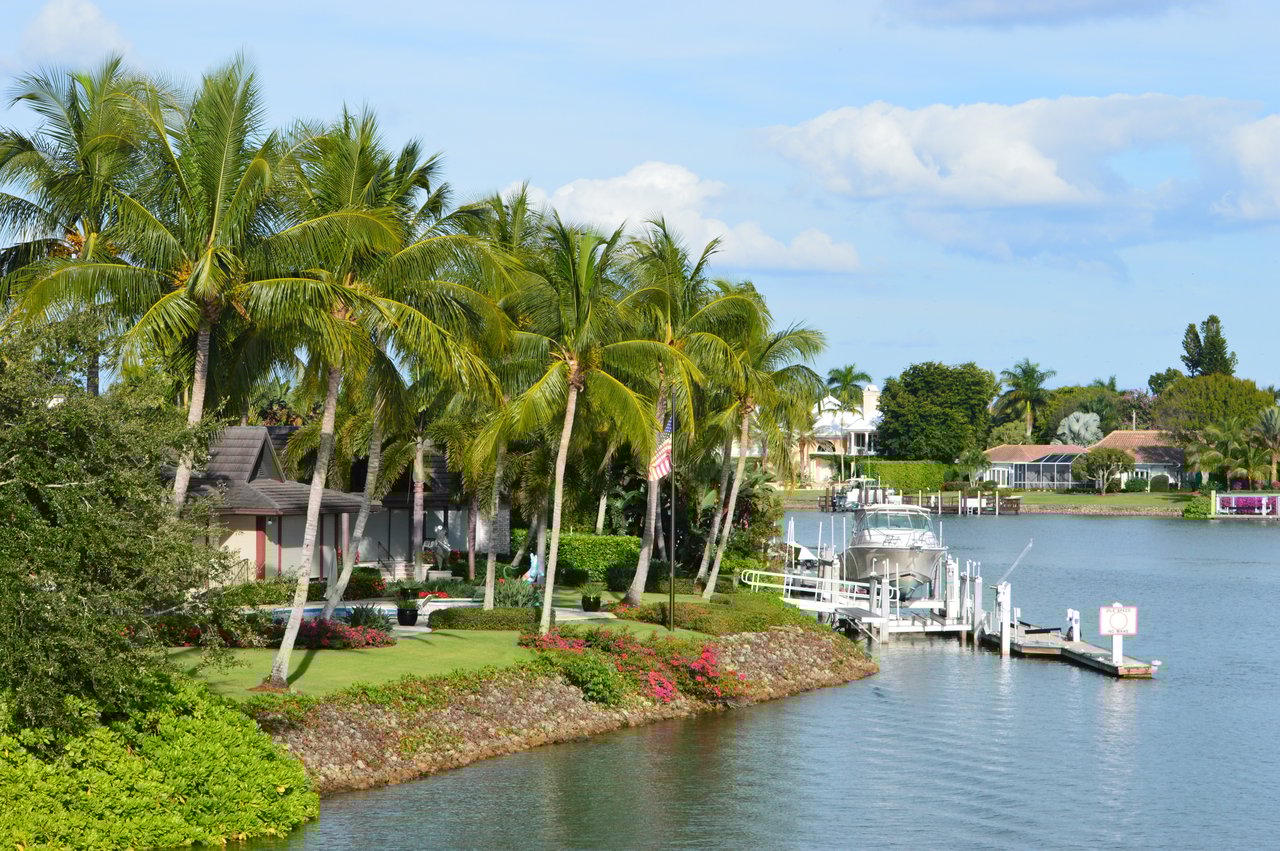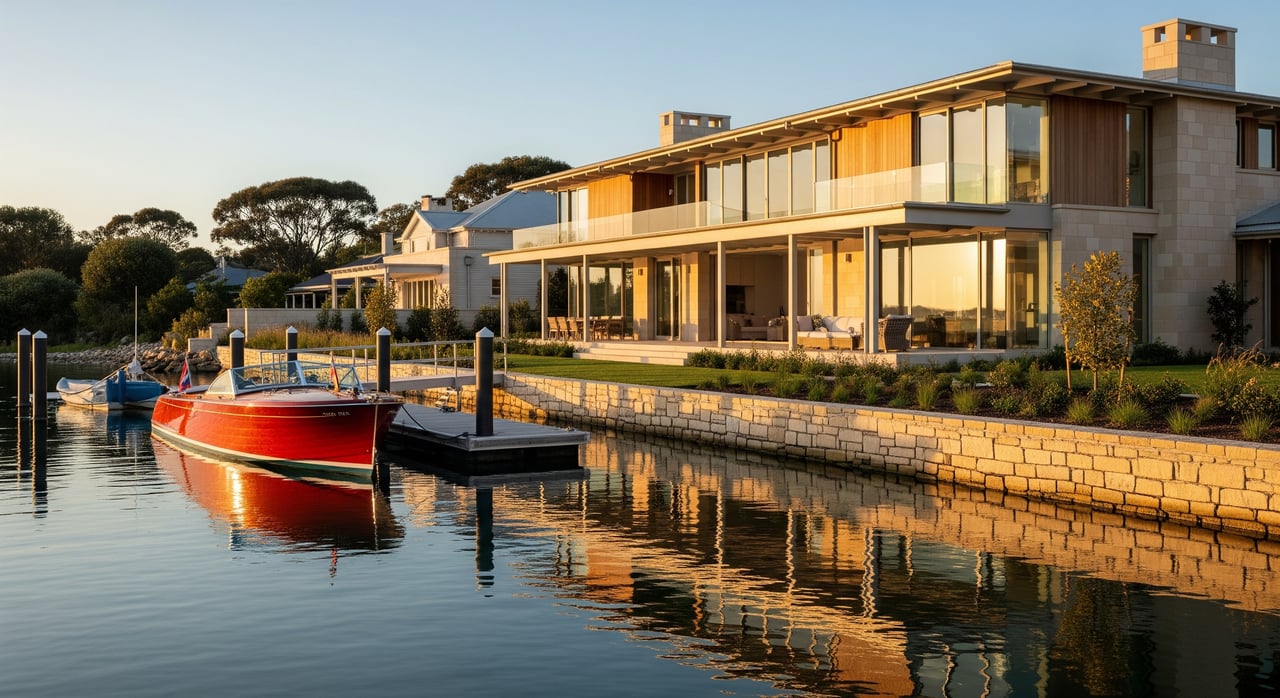
Picture this: coffee on your lanai while boats idle by and the light hits the water just right. If you are eyeing a Conners waterfront home, you are not alone. Financing one, though, involves more moving parts than a typical inland purchase. In this guide, you will learn the loan options available, the extra costs to plan for, and a clear step-by-step path to close with confidence. Let’s dive in.
Why waterfront financing is different
Waterfront homes often carry a price premium, and appraisals can be tricky when there are few recent, comparable canal or bayfront sales. Lenders look closely at usable water access, condition of docks or seawalls, and overall marketability. This added scrutiny can affect your timeline, down payment, and loan terms.
Risk is another factor. Flooding, storm surge, and shoreline erosion are real considerations, and they increase underwriting requirements. Structures like docks, piers, bulkheads, and boathouses can add value, but only if they are permitted and in good condition.
Insurance and maintenance also run higher. Flood policies may be required if the property sits in a Special Flood Hazard Area, and wind or hail coverage can carry separate deductibles. Budget for ongoing upkeep like dock repairs, seawall maintenance, and potential shoreline stabilization.
Know your loan options
Conventional and jumbo loans
Conventional mortgages are widely used, but many waterfront purchases push above conforming loan limits, which can lead to jumbo financing. Expect stronger borrower requirements and possibly higher down payments, often 10 to 20 percent or more. Your lender will require an appraisal supported by comparable waterfront sales and may ask for notes on erosion risk and marketability.
FHA, VA, and USDA
These programs can work for waterfront purchases when eligibility is met. FHA allows low down payments but will enforce property condition and safety standards, including for waterfront improvements. VA offers eligible buyers attractive terms and often no down payment. USDA may apply in rural areas if the property and borrower qualify. In any program, flood insurance is required if the home is in a high-risk flood zone and you use a regulated lender.
Portfolio and specialty lenders
Local banks or credit unions that keep loans in-house can be more flexible when comps are limited or when unique shoreline features are involved. Some specialty lenders are familiar with docks, bulkheads, and tidal or canal nuances and may offer tailored terms.
Cash, bridge loans, and HELOCs
Cash avoids lender conditions, but many buyers combine options. Bridge loans can help you buy before selling another property. HELOCs or home equity loans may fund improvements like dock upgrades once you have sufficient equity.
Budget beyond the mortgage
Flood insurance
If the property lies in a Special Flood Hazard Area, most regulated lenders will require a flood policy at closing. Private flood insurance may be an alternative to a National Flood Insurance Program policy depending on coverage needs and pricing. An elevation certificate can help refine risk and potentially lower premiums.
Homeowner insurance and wind/hail
Waterfront exposure can increase premiums. Some carriers set separate hurricane or wind deductibles or exclude certain perils for older shoreline structures. Get quotes early so you can lock in coverage and confirm closing costs.
Cash reserves and ongoing costs
Lenders often want to see larger cash reserves for higher-risk or unique properties. You should plan for routine dock and boat-lift maintenance, occasional seawall or shoreline projects, septic pumping if applicable, and HOA or access fees where relevant.
Do your due diligence early
Flood zone and elevation
Review flood maps for the parcel and determine the zone designation. If you need one, order an elevation certificate early. This helps you estimate premiums and avoids last-minute surprises with your lender.
Waterfront-specific inspections
Go beyond a standard home inspection. Schedule a marine contractor to evaluate the dock, pier, bulkhead, boat lift, and seawall. If present, test septic systems and wells for flow and quality. Consider an environmental assessment for wetlands or habitat restrictions that might limit future improvements.
Title, access, and water rights
A thorough title search should confirm what you own to the waterline, any shared-use or public access easements, and any prescriptive access that affects privacy or use. Confirm riparian or littoral rights for docking or mooring based on local rules and what the deed conveys.
Permits and regulatory checks
Verify that shoreline structures were properly permitted and that any grandfathered elements are still acceptable. Understand setbacks and zoning that may affect future renovations or dock work. Unpermitted or unsafe structures can delay underwriting, increase insurance costs, or require remediation before closing.
Appraisals on waterfront homes
Appraisals hinge on recent comparable sales with similar water access, view, and improvements. If the appraisal comes in below contract price, you have options:
- Renegotiate the purchase price with the seller.
- Increase your down payment to bridge the gap.
- Request an appraisal review or a second appraisal if your lender allows it.
- Explore a different lender that understands the local waterfront market.
Provide the appraiser with documentation such as permits, recent improvements, maintenance records, and any market data your agent has compiled. Clear evidence can help support value.
A step-by-step financing game plan
Get preapproved with a lender that regularly finances waterfront homes. Share details on docks, seawalls, lifts, and any recent improvements.
Price and plan insurance early. Obtain homeowner, flood, and wind quotes and confirm deductible structures so your total monthly payment is accurate.
Align your offer with smart contingencies. Include inspection and financing contingencies that give you time for marine, septic, and environmental checks.
Prepare for the appraisal. Provide documentation of permitted waterfront structures, elevation data, and recent work. Have a strategy if value comes in low.
Bind required insurance for closing. Lenders typically need proof of coverage, especially for flood policies in higher-risk zones.
Close and plan for near-term upkeep. Schedule any immediate repairs and secure permits for future projects to protect title and insurability.
Documents checklist for a smooth closing
- Deed and recent survey showing the waterline and any easements.
- Title report plus recorded easements or covenants.
- Flood map printout and any elevation certificate.
- Permits and maintenance records for dock, bulkhead, boathouse, lift, or seawall.
- Inspection reports: home, marine structures, septic, and well if applicable.
- Appraisal report with comparable waterfront sales.
- Insurance quotes and binders for homeowner, flood, and wind coverage.
- Repair estimates for any shoreline or structural items noted in inspections.
- Evidence of compliance with shoreline setbacks or conservation rules.
Tips tailored to Conners buyers
- Work with lenders who know waterfront underwriting. Experience with canal and bayfront properties can streamline appraisal and insurance requirements.
- Order specialized inspections up front. A marine contractor’s report on the dock, lift, and seawall can prevent delays and give you leverage in negotiations.
- Document every improvement. Keep permits and receipts organized to support value during appraisal and resale.
- Build a realistic upkeep budget. Include seasonal dock service, potential seawall work, and increased wind or flood premiums.
Buying waterfront should feel exciting and well-planned, not stressful. If you want concierge guidance from preapproval to closing, our team is here to help you understand your options, line up inspections, and manage the details so you can focus on the lifestyle you want.
Ready to explore Conners homes with a smart financing plan? Connect with the local team at Nina Loves Naples for tailored guidance and a clear path to the water.
FAQs
Do I need flood insurance for a Conners waterfront home?
- If a regulated lender is involved and the property is in a Special Flood Hazard Area, a flood policy is typically required; many buyers choose coverage even outside high-risk zones.
Can I use FHA or VA financing on a waterfront property?
- Yes, eligibility and property standards apply, and flood insurance is required in high-risk zones; FHA appraisals may call out unpermitted or unsafe waterfront structures.
What if the appraisal comes in lower than the contract price?
- You can renegotiate price, increase your down payment, request an appraisal review or second appraisal, or consider a lender with deeper waterfront experience.
How much should I budget for waterfront maintenance each year?
- Plan for above-average maintenance: routine dock and lift service annually and occasional larger shoreline or seawall projects that can cost tens of thousands depending on scope.
Do I automatically own the dock and water rights with the home?
- Ownership and use depend on title and local rules; verify deed, recorded easements, and any riparian or littoral rights during due diligence before you close.