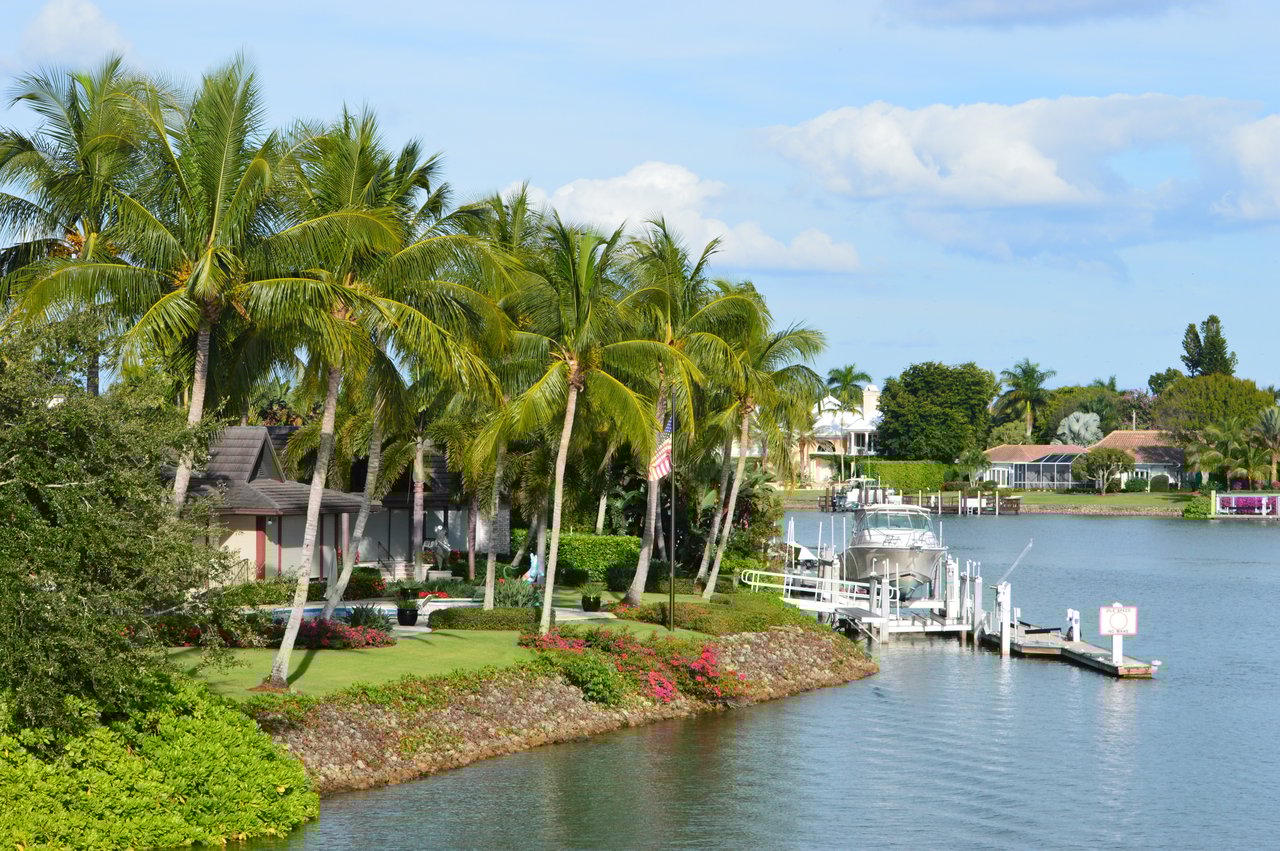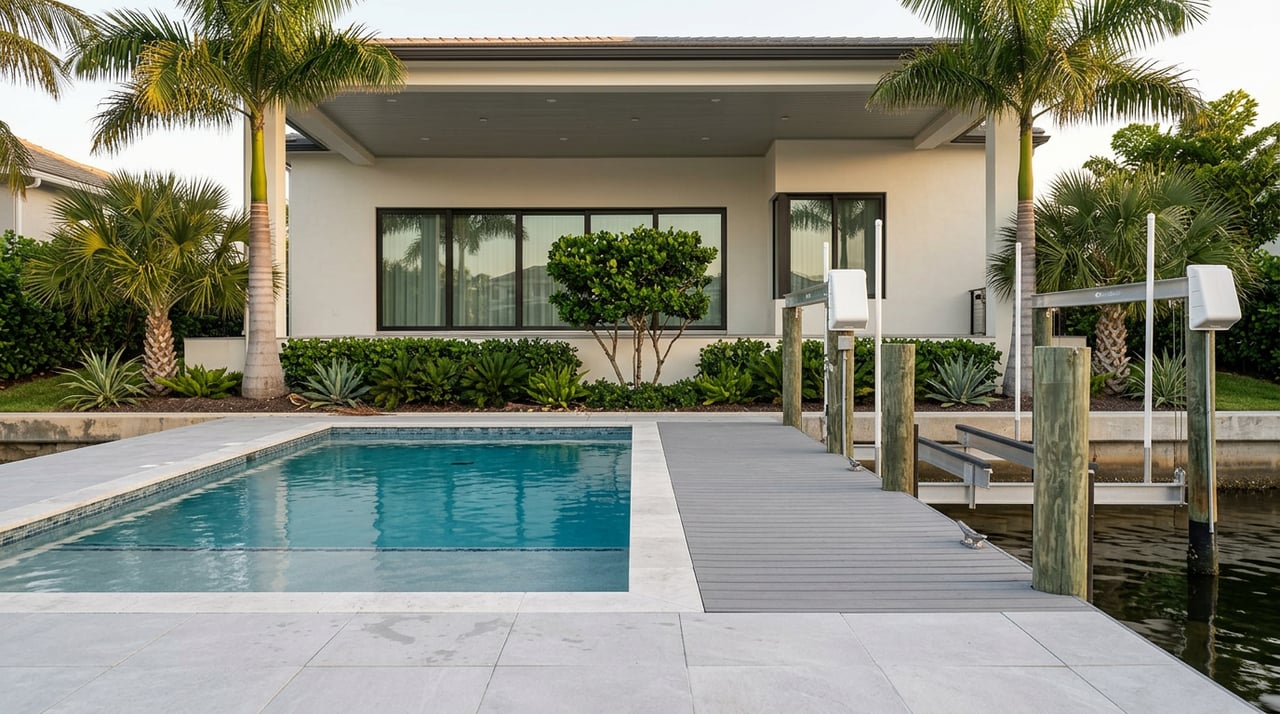
Picture this: you sip coffee on your lanai, step onto your boat for a quick cruise, then stroll to Vanderbilt Beach for sunset. If you want both beach and backyard boating, Conners in North Naples delivers. Buying here is exciting, but waterfront details matter more than in a typical neighborhood. In this guide, you’ll learn how Conners’ canals, lot types, flood maps, seawalls, and boating routes affect your purchase, plus a practical checklist to use on every showing. Let’s dive in.
Why Conners stands out
Conners, often shown as Conners at Vanderbilt Beach, is a canal-front, gulf-access boating community in North Naples. The neighborhood layout features 17 cul-de-sac streets and roughly 500 single-family canal homes. Most waterfront lots have private docks or lifts, giving you true backyard boating.
You’re only a short walk or bike ride to Vanderbilt Beach and nearby coastal recreation. For many buyers, Conners checks the rare “beach plus boat” box, which is why it’s a perennial favorite.
Canal types and lot sizes
Standard canal lots
Most canal-front lots in Conners present about 80 feet of waterfront. This is a frequent benchmark you’ll see in listing remarks. For many center-console and bay boats, that width supports a practical dock and lift setup, with enough room for turning when canals are standard width.
Tip and bay lots
Some parcels sit on wider water, including bay or tip lots that can stretch well beyond 95 feet and up into the 150–190+ foot range. These sites are often marketed as premium build opportunities because they provide larger outdoor plans, bigger pools, and sweeping water views. If you want a spacious dock layout or a larger boat lift, these lots are worth targeting.
Canal width and turning room
Conners canals vary. You’ll find standard-width canals, extra-wide sections, and spreader or triple-wide stretches. Wider canals and tip locations make maneuvering easier and improve sightlines from your lanai. Before you write an offer, confirm the canal’s fairway width at your specific lot and the turning radius near the cul-de-sac. Depth at mean low water also matters for your boat’s draft.
Your route to the Gulf
Conners is a true gulf-access community. From most backyards, you’ll route through local channels and reach open water via the Wiggins Pass area. Many listings describe runs in the 10–20 minute range by powerboat. Your exact time depends on your boat’s speed, tidal conditions, and whether your chosen route is bridgeless.
Some Conners homes are marketed as having no fixed bridges to the Gulf, while others require passing under low-clearance spans. To avoid surprises, list every fixed bridge along your route and confirm vertical clearance against your boat’s air draft. If you’re considering a tall T-top or tower, these numbers are essential.
Homes and renovation trends
Old Florida meets new luxury
You’ll see a mix of original Old Florida ranch homes from the 1970s–1980s alongside recent tear-downs and new-build estates, including many completed from 2020 through 2025. That contrast is part of the charm. If you’re comparing value, pay close attention to year built, finished-floor elevation, and any post-storm mitigation or renovation work.
Elevation and resilience
Newer homes often reflect modern codes and elevated finished floors, which can influence insurance costs, comfort during storm season, and future resale. When evaluating any property, ask for the Elevation Certificate and compare finished-floor elevation to the current Base Flood Elevation for that parcel.
Rules, flood maps, and marine permits
Flood zones and the 2024 update
Collier County adopted updated coastal flood maps, effective February 8, 2024. Always check the property’s current FEMA flood zone, the active FIRM panel, and any Letters of Map Change. You can review county resources on the Collier County Floodplain Management page. Your insurance options and building requirements may differ from older map assumptions.
Seawalls and bulkheads
In Conners, the waterfront property owner is typically responsible for the seawall or bulkhead. Seawall repair or replacement requires proper permits and must follow county and state rules. To understand local practices and permitting paths, visit Collier County’s Coastal Zone Management page. Ask sellers for permit history, replacement date, and as-built elevations for the seawall.
Docks, lifts, and marine approvals
Private docks and boat lifts are common behind Conners homes. Confirm whether the dock and lift were permitted and built to spec, the lift’s capacity in pounds, and the condition of pilings, catwalks, and electrical. County resources on Coastal Zone Management can help you navigate permitting and maintenance considerations.
HOA and design controls
Conners is widely marketed as non-gated with no or minimal HOA. That can mean more design flexibility for renovations or new construction. Always verify the presence or absence of deed restrictions in the title report and MLS for the specific property you are buying.
Budgeting for waterfront ownership
Seawall, dock, and lift costs
Planning numbers help you compare homes. Published industry ranges often show seawall work from roughly 150 to 1,200 dollars per linear foot depending on material, exposure, and scope. Dock and lift pricing varies widely by capacity and configuration. Independent guides show typical boat-lift budgets in the mid-thousands up to 15,000–30,000 dollars or more for larger, powered installations. For context, see this overview of dock and lift cost factors, then confirm with bids from local marine contractors.
If a lift is missing or undersized for your boat, build that into your offer strategy. If a seawall is nearing end-of-life, obtain quotes and consider the project timeline alongside your closing schedule.
Insurance and taxes
Waterfront homes may carry higher wind and flood insurance premiums. Because the 2024 map updates can affect rates, get preliminary quotes for both wind and flood. Review county guidance on floodplain rules and map lookups at Collier County Floodplain Management before you finalize terms.
Buyer’s on-site checklist
Bring this list to every Conners showing and inspection:
- Flood zone and FIRM panel. Request the Elevation Certificate and note any Letters of Map Change relevant to the parcel.
- Seawall condition. Collect permit records, age, replacement or repair dates, contractor details, and as-built height. Ask about remaining warranty.
- Dock and lift specs. Confirm permitted length, lift capacity, piling condition, catwalk integrity, and electrical. Budget for replacement or upgrades if needed.
- Canal depth and fairway width. Verify depth at mean low water, turning room at your lot, and whether dredging has occurred nearby.
- Route to the Gulf. Identify every fixed bridge and confirm vertical clearances versus your boat’s air draft.
- Finished-floor elevation. Compare to the current Base Flood Elevation. Ask whether the home experienced interior flooding during prior storms and what mitigation followed.
- Utilities and streetscape. Note any recent utility undergrounding or street improvements that can enhance curb appeal and resilience.
- HOA or deed restrictions. Many Conners listings show no HOA, but always confirm via the deed and title work.
Living in Conners: a daily snapshot
Your days can be wonderfully simple here. Launch from your backyard dock for fishing or beach-hopping, then bike to Vanderbilt Beach for an afternoon swim. Evenings on the lanai feel open and airy, especially on wider canals and tip lots where water views stretch farther. If you love a saltwater lifestyle but want easy beach access, Conners offers a compelling blend.
How we help you buy in Conners
Buying waterfront is about lifestyle and details. Our team guides you through the technical checks that protect value: flood maps, elevation, seawalls, docks, lifts, permits, and boating routes. We coordinate specialized inspections, gather permits, and align the home you love with the boat you run. With boutique service backed by Coldwell Banker Global Luxury, you get local expertise with national reach and a smooth, concierge process from offer to close.
If you’re ready to explore canal-front living near Vanderbilt Beach, let’s talk. Connect with Nina Loves Naples to start your Conners search with confidence.
FAQs
What sets Conners apart for boaters near Vanderbilt Beach?
- Conners uniquely pairs backyard docks on gulf-access canals with an easy walk or bike ride to the beach, plus a range of lot types from standard canal parcels to larger bay and tip locations.
How long does it take to reach the Gulf from Conners?
- Many listings cite about 10–20 minutes by powerboat, but your actual time depends on boat speed, tide, and whether your route includes fixed bridges. Verify for your specific lot and vessel.
Do Conners homes have an HOA or design restrictions?
- Many properties are marketed as no HOA, offering more flexibility, but always confirm any deed or neighborhood restrictions in the title work for the exact address.
What should I evaluate on a seawall and dock before buying in Conners?
- Check the seawall’s age, permits, repair history, and height; review the dock’s permits, lift capacity, and piling condition. Collier County’s Coastal Zone Management page outlines local practices and permitting.
How do the 2024 Collier County flood map changes impact my purchase?
- The new maps can change your FEMA zone and insurance requirements. Review your property’s FIRM panel and Elevation Certificate and consult Collier County Floodplain Management for guidance.
What are typical Conners lot frontages for canal homes?
- Standard canal frontage is commonly around 80 feet, while select bay or tip lots can offer wider water and frontage measured well beyond 95 feet, sometimes over 150–190 feet. Always verify per parcel.